
Introduction
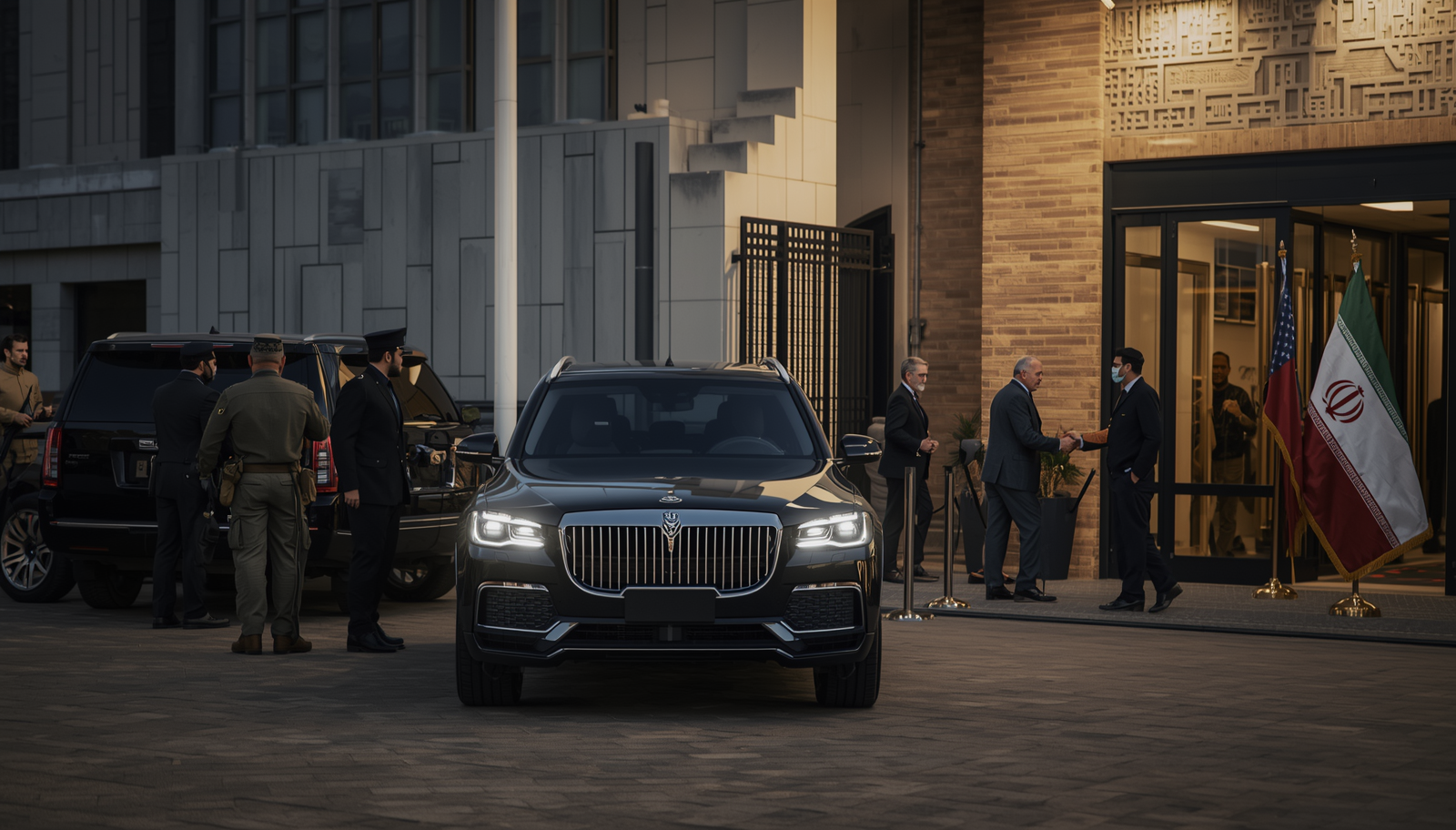
A group from Qatar landed in Tehran, stepping into delicate discussions tied to U.S.-Iran negotiations. This move unfolded alongside American awareness, threading through complex diplomacy. Their goal: shaping an agreement meant to halt tensions and untangle long-standing disagreements. The trip reflects quiet coordination, avoiding spotlight yet carrying weight. Outcomes remain uncertain, though the intent is clear – bridge gaps where others have stumbled.
Folks in the Middle East along with global diplomats have been watching closely – tensions between Washington and Tehran ripple through sea lanes, sway oil prices, shift alliances, while quietly reshaping how nations talk to one another.
Now Qatar steps in, joining others nearby who aim to slow tensions and back talks linking Tehran and Washington. This move follows a path others set, yet carries its own quiet weight.
Qatar Joined Talks
Nowhere else quite like Qatar when it comes to stepping into tough talks across the region lately. Through quiet channels, it’s helped shape discussions tied to Gaza, found its way into Afghan dialogue circles, then jumped into tangled political standoffs nearby – each time without much fanfare. While others hesitate, Doha keeps showing up where few dare.
When missiles and drones from Iran disrupted Gulf systems, Qatar held back from stepping into talks right away. Yet as tensions climbed higher nearby, Doha shifted course – entering negotiations once stress levels rose too far to ignore.
A group from Qatar arrived in Tehran, aiming to ease military strains while nudging talks back on track through quiet diplomacy.
From the conversations, those leading the discussions touch on sanctions while turning attention to sea-related safety concerns. Nuclear dialogue slips into the mix alongside chats about armed forces across nearby areas. Through it all, each topic gets its moment without rushing ahead.
History of Tensions Between the United States and Iran
Years stretch on without peace settling between Washington and Tehran. Still, penalties pile up while warships move through Persian Gulf waters. Alliances shift like desert winds across Middle East borders. Nuclear ambitions keep fueling friction instead of cooperation.
A fresh wave of tension began when attacks tied to American and Israeli forces hit sites inside Iran. In reply, Tehran moved troops and equipment, sparking unease among neighbors along the Gulf coast as well as traders watching global oil flows.
Fears spread after the fighting started, hitting oil sites, sea lanes, even bases in the region. Power stations shook at the thought, vessels slowed in uncertain waters, while bunkers tightened watch overnight. Tension crept through pipelines, echoed near docks, stayed lodged in desert outposts. Each target felt the weight, not just one but linked by risk, each site holding its breath differently.
A few nations urged calm – one misstep might shake global supply chains, disrupt oil flows, or unsettle stock exchanges everywhere.
Tehran Hosts Diplomatic Talks
Finding common ground now happens in Tehran, where talks unfold between U.S. representatives and Iran, guided by nearby powers helping to bridge gaps.
Word has it some from Qatar teamed up with contacts in Pakistan to help smooth things out. One side talks, then the other listens, back and forth through these go-betweens. Efforts stretch across quiet meetings where tones stay low, intentions guarded. Each step forward comes slow, measured by cautious words. Trust builds in small moments, not grand promises. Talks continue without fanfare, away from bright lights.
Now things get tangled – talks cover ceasefires, what happens to sanctions, who sells oil, money stuck overseas, plus how nukes play out later.
Fears about safety plus limits set by America – those matter too. Officials in Iran want promises on both. Not just one, but the weight of sanctions sits heavy. Their ask? Clear words before moving forward. Security first, then the money rules that bind trade. Nothing vague will do.
Still, talks stay tough since one side clashes with the other on key points. Though progress seems possible, core differences keep blocking agreement.
Pakistan’s Part in the Peace Efforts
Pakistan steps into the spotlight, drawn by ties to tensions between Washington and Tehran. A quiet player now seen more clearly through shifting alliances. Not leading, yet present where talks unfold. With moves subtle but steady, its role grows amid rising stakes. Neither ally nor outsider, just somewhere in between, watching pathways change.
Pakistan’s top military figures met with politicians in Tehran lately – talks aimed at pushing diplomacy forward. Officials gathered there recently; discussions focused on easing tensions through dialogue. In Iran’s capital, defense chiefs sat down alongside government members, working toward peaceful solutions. Meetings took place in recent days, bringing together armed forces leaders and state envoys for negotiation efforts. Diplomatic channels saw activity as both sides exchanged views during the Tehran talks.
Pakistan touches Iran at one edge, while also keeping ties open to nations around the Gulf along with America. Sitting where it does, the capital feels pressure to block chaos before it shakes business routes, safety lines, or money flow nearby.
Officials from Pakistan might be passing messages back and forth between Washington and Tehran while talks go on. A quiet role, yet central – linking points without stepping into view. One update follows another through unseen channels. Not leading, but moving things along behind layers of silence. Each note sent shifts just slightly under new wording. Talks continue, shaped by those not named in headlines.
Pakistan stepping in shows neighboring nations trying to keep things from turning into open conflict.
Strait of Hormuz Still Central
The path through Hormuz holds weight when talks unfold. How it moves forward ties tightly to what happens next. Decisions made elsewhere ripple toward that narrow water. Choices about access show how delicate things really are. Power shifts often begin where currents run thin. What flows there shapes more than trade routes alone.
Every single day, a huge amount of the planet’s energy flow moves through this narrow sea passage. Not many realize how much depends on this stretch of water near Oman and Iran.
Now Iran wants tighter rules at sea near the Strait. Still, the U.S. along with nations in the Gulf resist limits on global ship traffic.
Fear grips some Gulf nations over possible chaos in the Strait – ripple effects might hit world fuel supplies while driving up shipping prices.
Open seas matter to the U.S., so promises about trade lanes staying clear are expected. Security on water paths used by cargo ships now sits high on its list of concerns.
Iran’s Requests in Talks
Peace talks hinge on demands made by leaders in Iran.
Word is Tehran seeks relief from penalties, a way into locked-up funds, yet also aims to lift limits on selling its oil abroad.
Fear of sudden strikes pushes Tehran toward clearer defense terms. Talks now hinge on boundaries no neighbor wants to name. Promises about troop movements matter more than old alliances. Safety hinges less on treaties, more on who watches the border at midnight. Unwritten lines on maps grow heavier by the month.
Even now, top officials in Iran keep turning down requests that would dismantle their entire nuclear setup.
Still stuck on nukes – talks drag as the U.S. and Iran see things differently about enriching uranium along with how oversight works globally.
Us Stance Regarding The Deal
Still easing military strains, the U.S. holds firm on concerns about Iran’s atomic work along with its actions across neighboring areas.
For now, U.S. leaders are pushing limits on uranium work that would last years. Monitoring at atomic sites comes into play under their current thinking. Maritime safety promises also shape what they’re aiming to secure.
Stability in the Gulf matters to Washington since lasting unrest might shake oil prices, shift how global markets behave, or strain military ties among allies.
Talks go on between American leaders and countries in the Gulf, along with others around the world, as talks slowly push ahead.
Facing heat from Capitol Hill, talks edge forward under watchful eyes of defense insiders. Decisions now hang in balance as voices rise on just how much to concede during discussions.
Israel’s Concerns About the Talks
Israel remains closely connected to developments involving the US-Iran negotiations.
Israeli officials continue to express concern about Iran’s military capabilities and nuclear program.
Reports suggest that Israeli leadership remains skeptical about diplomatic agreements that do not significantly reduce Iran’s strategic infrastructure.
The Israeli government wants stronger guarantees connected to security and regional military activity.
Differences between Washington and Israeli leadership over negotiation strategies have created additional political pressure around the peace process.
Impact on Global Oil Markets
The US-Iran conflict has directly affected global oil markets and energy prices.
Any disruption involving the Strait of Hormuz creates concern because many countries depend on oil and gas exports from the Gulf region.
Energy traders closely monitor negotiations because a successful agreement could stabilize markets and reduce concerns about supply disruptions.
At the same time, failed negotiations could increase fears of renewed military operations and shipping restrictions.
Financial markets continue reacting to reports connected to diplomacy, ceasefire proposals, and regional security developments.
Gulf Countries Push for Stability
Several Gulf countries support diplomatic efforts aimed at reducing tensions between Washington and Tehran.
Countries in the region depend heavily on trade routes, energy exports, tourism, and foreign investment.
A prolonged conflict could affect economic growth, infrastructure projects, and regional trade systems.
Qatar, Saudi Arabia, the United Arab Emirates, Bahrain, and Kuwait continue monitoring developments connected to maritime security and energy exports.
Regional governments want long-term stability because continued conflict creates economic and security risks.
International Reaction to the Negotiations
The diplomatic process has attracted attention from governments and international organizations around the world.
European countries continue calling for negotiations instead of military escalation.
China and Russia are also following developments closely because both countries maintain political and economic interests connected to Iran and Gulf energy markets.
International organizations remain concerned about the humanitarian and economic effects of prolonged instability in the Middle East.
The negotiations could affect international trade systems, energy supplies, and diplomatic relations across several regions.
Peace Deal Problems
Even with movement in discussions, big hurdles still sit untouched.
Still at odds, the U.S. and Iran clash on sanctions while differing sharply over limits to their atomic programs. Military actions spark tension as each nation pushes its weight in nearby regions. One resists pressure, the other holds firm on security moves. Power plays stretch across borders without clear resolution in sight.
Still, confidence hasn’t grown much since past deals fell apart while old political arguments linger on. Governments hesitate where promises broke before, their steps slow under shadow of earlier clashes.
Bickering at home can shape how talks unfold between the two nations.
Inside Washington, certain circles push for harsher penalties alongside increased military leverage. Yet distrust lingers among Iranian political clusters when it comes to U.S. deals.
Still, gaps remain. Mediators push forward anyway, keeping conversations alive through separate efforts. Each attempt slows the drift toward breakdown.
Future of the Negotiations
Few weeks ahead could shape if talks reach an outcome. Success might hinge on moves made before month’s end.
Should talks succeed, the deal might ease troop standoffs while opening doors down the line to conversations about commerce, penalties on nations, and safety across neighboring zones.
Should talks go well, oil prices might settle down, easing fears of delays at sea routes through the Gulf.
If talks fall apart, fighting might restart. That risk grows when discussions go nowhere. Tensions across the region tend to rise under such conditions. Outcomes like these often follow broken talks.
Folks in power, those with money on the line, along with global groups keep their eyes locked on how things unfold. While changes happen slowly, attention stays sharp from capitals and boardrooms alike.
Conclusion
Fresh off the plane, Qatar’s envoys touched down in Tehran with quiet purpose. Their presence signals movement where talks once stalled. Not through force but careful dialogue does progress now creep forward. Behind closed doors, details unfold without fanfare. This moment – measured, deliberate – carries weight beyond headlines. Steps like these build paths where bigger powers hesitate to walk.
Among the topics up for discussion are big questions around sanctions, how nuclear talks move forward, safety at sea, along with what happens next for peace across the region.