
Introduction
Right now, eyes turn to the Paris Grand Slam, where today’s fiercest tennis battles unfold. Not far off the mark stands Jannik Sinner, still pushing hard among the sport’s top ranks.
His journey through the sport shapes how he plays now. What he does on court reveals habits built over years. Getting ready for Paris takes time most never see. How he handles each point defines what happens next. Standing among others shows where he fits right now. This event matters more than some might think during the year.
early career growth and learning
Little more than a child when he first held a racket, Jannik Sinner started his journey into tennis across Italy. Though just beginning, hours were spent inside organized youth programs, shaping how he moved, struck the ball, still stayed calm during points.
Through junior contests he went, then stepped into pro circuits. Not flashes of luck but showing up each time lifted him forward slowly. Growth wasn’t loud – just quiet gains piling one after another. The climb stayed even, never rushed, always moving.
Joining Pro Tennis
Out of the gate, Sinner stepped into pro tennis by playing Challengers and smaller ATP gatherings. Facing veterans there gave him a chance to grow tougher under real pressure.
Little by little, he stepped up to stronger ATP events, then found himself lining up in Grand Slam matches. With every phase came new rhythms on court – different swings, fresh pressures, shifting courts underfoot.
Grand Slam Participation
Top-tier tennis happens at four major events each year. Not just one nation hosts them – they spread across continents. Melbourne kicks off the season under hot sun. Paris clay slows balls down, demanding patience. London lawns bring fast rallies on grass. New York hard courts test endurance late in summer.
Each of the four events saw Sinner take part. Progress creeps in – longer rallies feel easier, choices on strokes sharpen, while deep runs through tough matchups grow more routine. He moves differently now, calmer under strain, like someone learning when to push and when to wait.
Paris Grand Slam significance
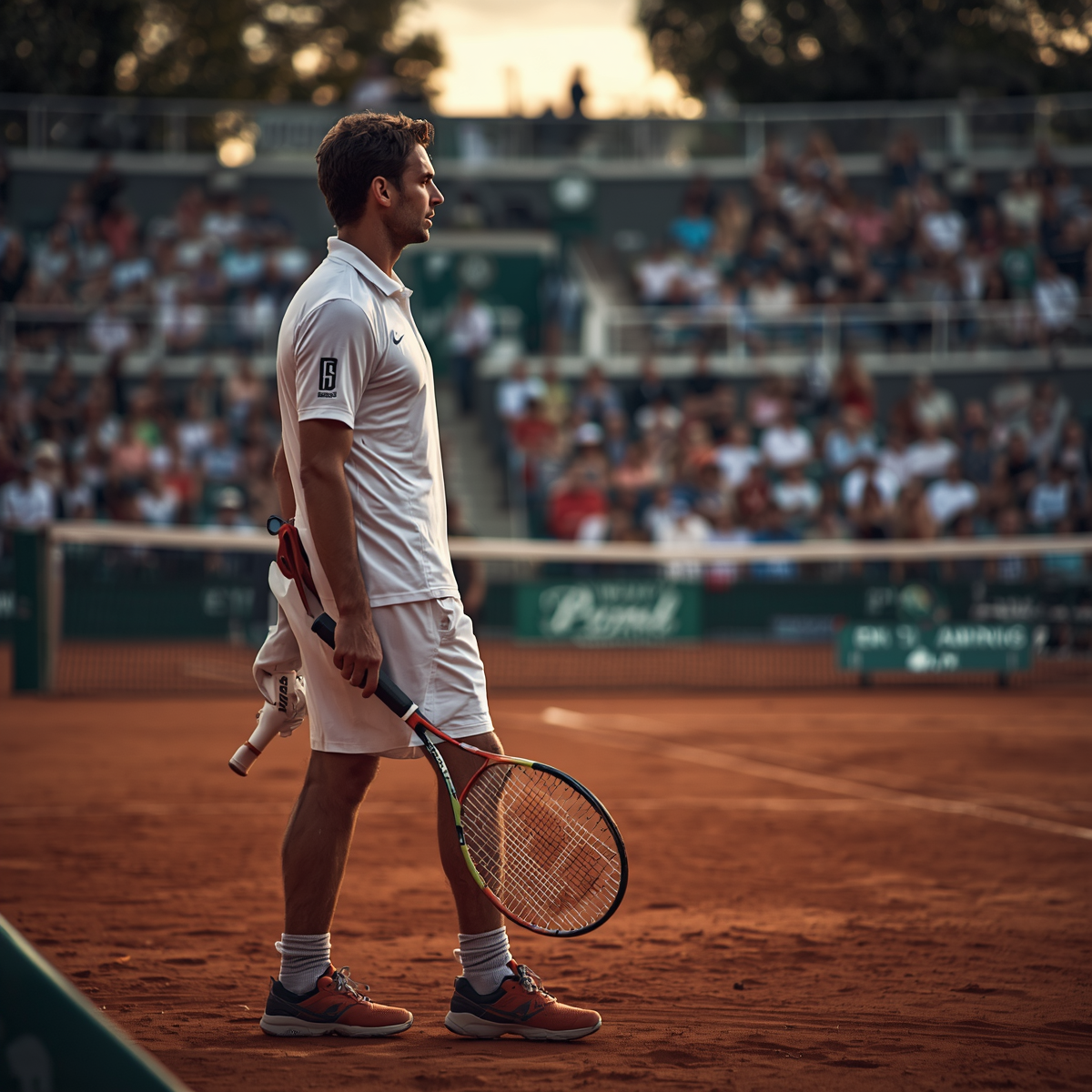
Clay underfoot makes every serve feel heavier at the Paris Grand Slam. Because the ball drags across the dirt, points stretch out – rallies breathe deeper here. Slower bounce reshapes how players move, think, strike.
Clay court tennis requires:
- Physical endurance across long matches
- Point construction with patience
- Strong defensive movement
- Adaptation to changing court conditions
Paris matters to Sinner when it comes to climbing the rankings, shaping his path forward. Though quiet in tone, the event carries weight behind the scenes. Because each match adds up slowly, progress shows without flash. Since results count fully here, momentum builds through consistency. While others may overlook it, he sees what’s at stake clearly.
Getting Ready for the Tournament
Out on the red dust, athletes start shaping up weeks ahead of the Paris Grand Slam. Sliding into position feels different here – timing shifts, steps widen. Each bounce runs slower, so choices change mid-rally. Footwork reshuffles itself without saying a word.
Sinner’s preparation includes:
- Practice matches on clay
- Physical training sessions focused on endurance
- Tactical planning for long rallies
- Recovery management between tournaments
These steps help maintain consistency during the tournament.
Playing Style Overview
From way behind the line, Sinner shapes each rally with steady rhythm instead of rushing. His shots land where he wants because he waits just right before hitting. Court position matters less than when he strikes. Precision grows out of patience more than power. Each move fits a quiet pattern others struggle to notice.
Key elements of his game include:
- Strong groundstroke consistency
- Controlled rally construction
- Effective return positioning
- Calm decision-making in long matches
Faster movement helps him shift smoothly across hard courts, while his game slowly grows stronger on clay. Still, he adjusts each step depending on how the surface reacts beneath his feet.
Paris Draw Sees Competition
World’s best fighters gather for the Paris Grand Slam. Match by match, the game shifts – style clashes mix with how the surface plays out. Facing one another brings new puzzles each time.
Sinner’s path in the tournament depends on:
- Early-round matchups
- How the body felt while things were happening
- Ability to adjust tactics between matches
- Performance under pressure situations
One game at a time pushes him further through the tournament bracket.
Ranking Impact
Out of every match played in Paris, ranking shifts follow close behind. Winning at majors lifts players more than smaller ATP stops ever could.
strong showing in paris
- Improve ranking position
- Increase seeding in future tournaments
- Strengthen year-end ranking chances
Still chasing higher ground, Sinner keeps his eyes on climbing the ATP ladder. Though points matter, it’s the steady rise that shapes his year. Each match adds weight, building momentum without flash or claim. Progress shows not in speeches but in court time, round after round. The numbers shift slowly, yet direction matters most of all.
Physical and Mental Efforts
Weeks of grinding follow one after another during Grand Slam events. When it comes to men’s singles, contests can stretch into fifth sets without warning. Reaching that point means bodies keep moving long past normal limits.
Players must manage:
- Recovery between matches
- Energy levels across rounds
- Mental focus during long rallies
- Pressure from competition stage
Sticking close to these points usually shapes how far a team goes in the competition.
Media and Public Focus
Top tennis athlete Sinner shows up often in news reports when big matches happen. When he plays, stories talk about how he did, what he’s doing before games, also where he stands in world rankings.
Besides wider TV audiences, major tennis tournaments draw more attention because of their high-stakes outcomes. People tune in not just for stars but also to see how rankings shift after each match.
Clay Court Season Influence
After the hard courts, some shift to clay slowly. Before reaching Paris, athletes test their rhythm on looser dirt. These earlier matches build timing without pressure. A few weeks out, quiet events offer real match feel. Instead of rushing in cold, they ease into longer rallies. The pace changes everything. By the time the big one starts, movement feels natural.
These matches allow players like Sinner to:
- Test tactical adjustments
- Build match rhythm
- Improve movement on clay
- Evaluate performance against top opponents
Career Growth and Future Outlook
Out on the court more, Sinner picks up how things shift when stakes rise. With every major event behind him, he reads tension better, reacts sharper – time spent where only deep play matters.
His future performance depends on:
- Consistency in major tournaments
- Physical conditioning across seasons
- Adaptation to different court surfaces
- Match experience against top-ranked players
Conclusion
Paris Grand Slam grabs attention because big matches matter so much in pro tennis. That stage gives Jannik Sinner a shot at one more top prize while climbing higher in the ATP points race.
From the start, progress came step by step – practice shaped him, then matches tested that growth under shifting skies and courts. Paris still stands as one of those moments where everything comes together again.