
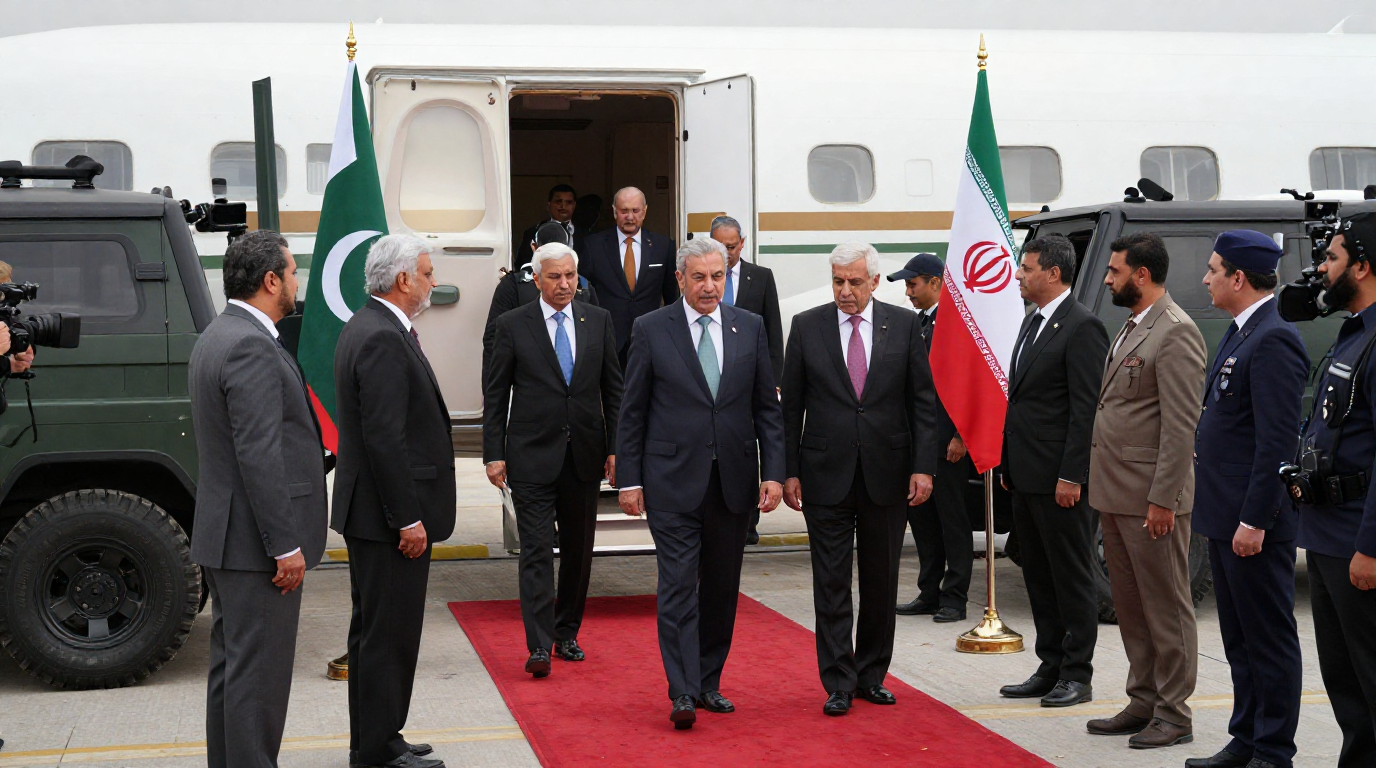
Introduction
Persuading talks forward, Pakistan steps up its diplomatic moves to back U.S.-Iran negotiations. Not through force but quiet channels, it positions itself as a bridge amid rising stakes. Behind closed doors, officials push dialogue instead of deadlock. With tension hanging over the region, Islamabad leans into role others overlook. Progress isn’t guaranteed – still, effort grows where few expected. A deal might ease strain across the area, should words turn into terms.
Now things are moving through back channels, with Islamabad stepping in to carry words from one capital to another. Messages travel quietly, shaped by distance yet guided by urgency. A path forward begins not with speeches but silent exchanges, each step measured. Peace hinges on structure – something strong enough to hold a truce together. Stability might grow if trust finds space between lines of old conflict. Talks about deeper matters wait just beyond the next turn, ready when timing allows.
Pakistan Steps Into US Iran Talks
Now Pakistan plays a bigger role in U.S.-Iran discussions than before. Talks between Islamabad’s envoys and officials from Tehran plus Washington aim to keep lines open. Missteps could shut down conversation – efforts now focus on preventing that. Each meeting adds slight momentum where tension once blocked progress.
Nowhere else sits quite so close to Iran while keeping ties open across both Western and regional lines. At certain points during the crisis, meetings took place within its borders, helping parties pass messages back and forth.
Now things look different because Pakistan steps back, yet keeps channels open between rivals. When tensions rise on the ground, quiet moves behind the scenes keep words flowing instead of violence breaking out fully.
History of Tensions Between the United States and Iran
Years have passed since tensions first stirred between the U.S. and Iran, fueled by arguments about atomic programs, trade penalties, one side pushing back against the other’s reach in nearby lands. Now, fresh rounds of strikes and responses pushed things further – each move shaking the balance harder through parts already frayed by unrest.
Out of nowhere, problems grew worse once ports and shipping lanes faced disruptions. Because of that, questions rose over how oil moves around the world – especially near the Gulf. Then came unease about stability where tankers pass through narrow straits. Suddenly, backup plans didn’t seem so certain anymore.
Other nations now push Washington, then Tehran, toward talks – stopping broader fighting looms as the quiet goal behind closed doors.
Pakistan’s Diplomatic Strategy
Pakistan keeps talking to both the U.S. and Iran, staying neutral on purpose. By not picking sides, it stays useful to each country in turn. Quiet dialogue becomes its tool, one step at a time. Trust grows when no loud statements are made. Neutrality isn’t passive – it moves carefully behind closed doors. Being in the middle means listening more than speaking. Messages pass through without blame attached. Balance holds because pressure never shows. Diplomacy here breathes slowly, waits longer. Peace needs space, not slogans.
Now comes the chance to talk, say officials, if peace stands any hope. Through back channels, Pakistan reaches out – ties with Doha and Ankara grow stronger by intent. Not force, but quiet meetings shape what happens next. Words instead of weapons become the tool of choice. Across borders, coordination quietly builds. What unfolds depends less on speeches, more on who meets behind closed doors.
Proposals get passed along, while meetings are arranged behind the scenes – quiet talks keep each side updated without face-to-face contact.
Qatar Helps in Talks
Not just Pakistan, but Qatar too stepped into the talks behind the scenes. With quiet moves, Doha joined conversations meant to nudge both parties toward early common ground – something that might grow into a clearer path for peace.
From its seat in the Gulf, Qatar weaves through complex ties linking Washington and Tehran. Because it talks to both sides, delicate subjects like trade limits, ship safety, and troop movements can find space to be discussed. Quiet access opens doors others lack.
Pakistan working alongside Qatar shows how some countries are trying hard to keep things calm. Stability matters more when tensions could rise without warning. Efforts like these quietly shape what happens across the area.
Key Issues in the Negotiations
Still on the table: U.S.-Iran negotiations keep circling back to a few big topics. Sanctions hover heavily in discussions, shaping much of what follows. Nuclear work stays under close watch, never far from conversation. Military moves across the region also feed into every exchange. Each point ties tightly to the others, even when spoken about separately.
Nowhere near a quick fix, Iran wants its money back plus an end to trade penalties. Meanwhile, across the table, Washington pushes pause on atomic progress and demands stability pledges nearby.
Besides that, trouble at sea near Hormuz grabs attention – this narrow path carries huge amounts of oil and gas worldwide. When things go wrong here, ripple effects hit economies far away.
Fueled by these clashes, talks drag on – mediators step in again and again. A single misstep could stall everything further.
How the Conflict Affects Different Areas
Out of nowhere, the standoff between the U.S. and Iran stirred trouble across several Middle Eastern nations. Because of shifting threats, energy suppliers found delays, cargo firms faced reroutes, while local authorities dealt with sudden policy shifts. Though calm sometimes returned, unease lingered each time alerts spiked.
Because their economies rely on steady shipping lanes and constant oil flows, nations across the Gulf back dialogue to calm rising tensions. Stability in transport corridors matters deeply when your wealth runs through pipelines and ports.
Pakistan stepping in, along with Qatar, shows unease about how more fighting might shake up regional stability. With both nations engaged, there’s a quiet fear that economic ripples could follow political cracks. Trouble lasting longer may pull neighboring states into its wake. Their presence hints at deeper worries beneath the surface calm.
International Response
Some nations welcomed Pakistan’s role in easing tensions, though others stayed cautious about outcomes. Still, many saw value in keeping talks alive through its involvement.
Out of nowhere, some major nations pushed talks as the way ahead. Notably, those across Europe urged calm while nudging parties back toward dialogue.
Fresh shifts in world markets followed news about the negotiations, particularly tied to changes in oil costs and stability across key regions. While energy figures wavered, investor moves mirrored tensions nearby. With updates emerging, trading patterns shifted without delay. As discussions unfolded, financial reactions spread through major hubs. Even small signals from diplomats nudged market swings. When statements came out, price trends responded quickly. Because outcomes remain uncertain, fluctuations continue feeding off every detail.
Still watching closely, international groups note how far effects might spread. Global reach could follow, so eyes stay fixed on shifts unfolding now.
Struggles on the Path to Progress
Still, after talks go on and on, progress feels stuck. Because of old fights and promises that fell apart, Washington and Tehran barely believe each other now.
Pressure at home shapes how each country stands in talks. While leaders in Washington argue about penalties and troop moves, voices in Tehran hold back, wary of deals with outsiders.
Pressure from inside and outside creates drag on movement, making agreement harder to reach. When forces pull in opposite directions, forward steps shrink. Outside demands clash with inner resistance, blocking smooth paths. Tension builds where expectations meet limits. Movement slows when competing pulls grow stronger.
How Indirect Communication Works
Messages slip through quietly, tucked inside back-and-forth exchanges via Islamabad. Washington speaks, Tehran listens – neither looks the other in the eye. This quiet path keeps words moving where open lines have gone silent. Diplomacy hums beneath the surface, carried by third-party echoes.
When things get tense, talking stays possible because of this approach. It keeps talks moving instead of stalling out. Fewer chances arise for everything to fall apart completely.
Peace efforts often lean on quiet messages when face-to-face meetings fall through. Quiet words passed along can keep things moving without needing official meetings. When leaders refuse to meet, backchannel chats help avoid deadlock. Sometimes silence speaks louder – yet it is the unseen notes between parties that maintain contact. Without open dialogue, these hidden threads prevent total breakdown. Unspoken understandings form where public talks fail. What is left unsaid may still carry weight in tense times.
Future Outlook
Whatever happens next hinges on if each party finds common ground to keep talking. How talks move forward rests entirely upon mutual acceptance of a shared starting point. Only time will tell if they settle on terms allowing further exchange. Progress stays locked until agreement forms around core conditions. The path ahead shifts based on reaching even minimal understanding now.
Should things keep moving forward, a short-term deal could open doors to deeper conversations about nukes and tensions nearby. A pause in conflict might just create space for dialogue down the road.
Failing to reach an agreement might spark fresh conflict, shaking stability across the area once more. Though talks could collapse, tension may rise instead, pushing the situation into sharper crisis.
Pakistan still holds key talks alive, linking parties through steady contact while nudging each toward continued conversation. Still, quiet efforts persist behind the scenes to maintain lines of exchange without drawing attention. Talks keep moving, helped by consistent pushes that favor patience over silence. Behind closed doors, connections stay active because someone must bridge the gap. Staying in touch becomes easier when one side refuses to let messages fade. So far, progress depends on unseen moves made long before headlines form.
Conclusion
Pakistan steps quietly into spotlight during U.S.-Iran discussions. Through backchannel exchanges, ties gain subtle strength. Not loud announcements but steady movement marks its presence. One conversation at a time, bridges form across distant positions. Behind closed doors, trust builds without fanfare. A neutral voice often carries furthest when tensions run high. Moves once overlooked now shape quiet turning points.