
Introduction
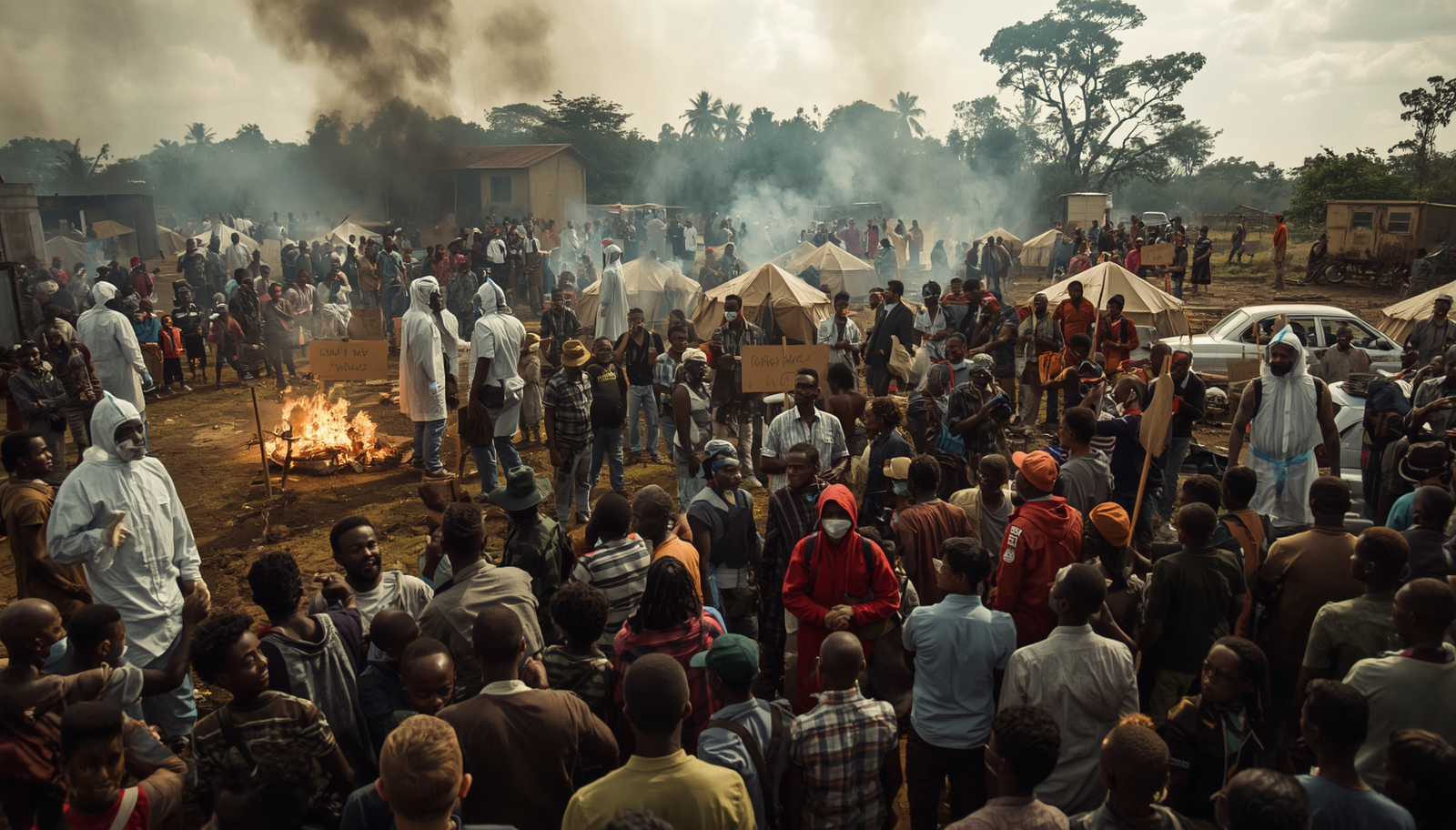
Burning broke out in eastern DRC as crowds turned on Ebola care shelters. This followed rising anger about how health teams managed possible infections. Outrage grew amid confusion over medical choices. Flames rose where aid once operated.
Outbreak areas often see clinics burned – proof of how tough it is for medics when rumors run faster than facts. Because trust crumbles fast, getting sick people into care becomes harder, even though stopping transmission relies on quick isolation. Locals refusing help shifts the balance, making contact tracking shaky at best. Without community support, efforts to contain Ebola stall before they start.
What Occurred During the Event
A clash broke out when demonstrators moved into a clinic zone amid confusion over how to manage someone believed to have Ebola. Tensions rose quickly, fire took hold of multiple care shelters meant for quarantine and treatment.
For a time, health staff had to step back alongside guards. Because of that halt, urgent aid work stumbled.
Out there, Ebola teams had their hands full with ongoing or possible infections when things went down. A cluster of alerts kept responders moving through villages just before the event unfolded nearby. Movement slowed after reports came in about another hotspot forming beyond the known zones. Workers shifted focus once signs appeared in an area thought clear only days earlier.
Ebola Treatment Centers and What They Do
Outbreaks bring these clinics into existence – short-term spots where care begins fast. Built just when needed, they stand ready to handle what comes next. When cases rise, patients find shelter here before moving on elsewhere. Each unit runs until danger fades, then waits without use. Not meant to last forever, yet always prepared if trouble returns
- Isolate infected patients
- Offer help with health needs
- Reduce transmission risk
- Monitor suspected cases
- Support contact tracing efforts
Close to where people need help, these centers pop up so trips take less time. Faster care arrives when locations cut down on distance. Getting there quickly matters most when emergencies strike nearby.
How Communities Respond to Ebola Measures
Nowhere near every outbreak sees trust grow between locals and Ebola responders. Sometimes pushback flares up because misunderstandings take root early on. Fear spreads faster than facts when rumors fill the silence. People shut doors if they feel outsiders ignore their worries. Distrust digs in where past harm went unacknowledged. Silence from officials often feeds suspicion instead of calming it
- Fear of isolation procedures
- Distrust of external health workers
- Cultural practices around burial
- Misinformation about disease transmission
- Past experiences with healthcare systems
Moving through eastern Congo, years of unrest mix with spotty medical services, feeding doubt about outside help. Heavy history sits in the air, shaping how new aid efforts are seen. Roads block, clinics close, trust wears thin. Outsiders arrive with promises, yet locals recall broken ones. Aid groups step in, but their presence stirs more questions than comfort. Medical teams show up, still hesitation lingers like smoke after fire.
Burial Practices and Their Place in Conflict
It’s tricky – dealing with bodies during Ebola flare-ups. The virus sticks around even after someone dies, so burial must be done carefully. What happens next depends on strict steps to keep everyone protected.
Health teams follow protocols such as:
- Use of protective equipment
- Controlled handling of bodies
- Limiting physical contact
- Buried right away while someone watches.
When outbreaks happen, handling bodies the usual way might clash with safety rules in certain places. Close contact during funeral rites sometimes causes tension when health workers step in. How people honor their dead can slow down emergency efforts nearby. Touching or washing remains fits tradition yet raises risks when diseases spread fast. Rituals that bring families together around a body may not match crisis guidelines right away.
health workers face safety risks
Fires set inside medical shelters put caregivers in immediate danger. Because of this, handling sick people becomes harder under safe conditions.
Risks include:
- Exposure to infected individuals without protection
- Loss of medical supplies
- Disruption of patient monitoring
- Reduced ability to isolate cases
When trouble breaks out in shaky areas, safety steps usually kick in to shield workers along with those they care for.
Effects on Ebola control efforts
Bent walls, broken roofs – these slow down help when sickness spreads. Instead of stopping germs fast, workers face rubble where clinics once stood. With each fallen beam, chances slip. Help arrives late, if at all. Running water gone, power lines down – the basics vanish. What was clean now grows risky. Each delay feeds the outbreak’s edge.
Key impacts include:
- Delay in isolating patients
- Increased movement of suspected cases
- Loss of tracking data
- Reduced community outreach activities
Outbreaks might drag on longer when such interruptions occur.
Public Trust Shapes Health Efforts
Most folks won’t follow public health advice if they don’t believe the source. Without confidence in authorities, clinics see fewer patients even when help is needed.
Factors influencing trust include:
- Communication between health workers and local leaders
- Transparency in treatment processes
- Involvement of community representatives
- Respect for cultural practices where possible
Patience shapes trust, while steady interaction keeps it growing.
History of Ebola Response in Congo
Years of Ebola scares in the Democratic Republic of Congo shaped how clinics react fast now. Still, reaching patients gets tough when roads are bad or danger is near. Though progress happened, moving through rough land and unrest slows things down. Help arrives quicker than before, yet some spots stay hard to reach safely.
Outbreaks before made one thing clear
- Need for rapid isolation of cases
- Importance of community engagement
- Role of vaccination campaigns
- Difficulty of operating in conflict zones
These experiences shape current response strategies.
Security Forces During Health Crises
Where outbreaks occur, guards often secure medical centers. Sometimes patrols keep clinics safe when danger rises nearby. In high-risk spots, armed teams watch hospital entrances. When threats grow, protection details arrive at treatment sites. At crisis points, safety forces guard healthcare buildings.
Their role includes:
- Preventing attacks on treatment centers
- Protecting medical staff
- Securing transport routes for patients
- Besides shelter, help might include moving people to safety when required
Still, troops on the ground might raise stress levels when handled without caution.
Contact Tracing Resumes Following Interruption
When tents burn down, tracking who was near gets harder. Suddenly, names slip through gaps that weren’t there before. Paper trails turn to ash too fast. Faces blur without clear records left behind. Missing links pile up quietly over time.
Contact tracing involves:
- Identifying people exposed to patients
- Monitoring symptoms over time
- Providing guidance for isolation if needed
- Recording movement patterns of cases
Faulty systems might mean missing data on whereabouts.
International Organizations and Their Impact
International groups aid Ebola response in Congo
- Medical supply delivery
- Training for local health workers
- Funding outbreak response
- Coordination with government health agencies
Health crises see WHO alongside allies stepping into action with country medical leaders. Outbreaks unfold – teams move in, linking arms with ministry staff. National programs gain support when global groups arrive on the ground. Ministries lead, yet outside aid flows in during emergencies. Collaboration kicks in once alerts sound across borders.
Misinformation and Communication Problems
Wrong details often pop up when Ebola strikes. As rumors move from person to person, choices people make start to shift.
Common issues include:
- Misunderstanding of transmission methods
- Suspicion of treatment centers
- Rumors about medical procedures
- Distrust of vaccination programs
Out here, health communicators tackle problems by connecting directly with communities.
Vaccination Efforts in Ebola Response
When outbreaks happen, shots help slow things down. These are usually given to people at risk
- Health workers
- Contacts of confirmed cases
- High-risk populations
Fighting disease includes shots plus keeping infected people apart. Watching symptoms closely goes hand in hand with giving vaccines.
Economic and Social Impacts of Outbreak Disruptions
Burning of treatment tents and outbreak disruption affects more than healthcare.
Impacts include:
- Reduced access to medical services
- Movement restrictions in affected areas
- Pressure on local governance systems
- Fear in surrounding communities
- Interruption of local economic activity
Pressure grows heavier on those trying to rebuild. What comes next weighs more with each passing day.
Early Response Matters
Stopping Ebola starts when cases are spotted fast – then teams move without delay. A single moment lost can widen risk, so alerts must trigger response right away.
Key steps include:
- Finding possible cases without delay
- Isolating infected individuals
- Tracing contacts immediately
- Educating communities about risks
When one step takes longer, chances of spreading go up.
Health Teams and Community Coordination
Health workers teaming up with locals makes outbreak control work better. When both sides share information openly, actions become faster. Trust grows where communication flows without delay. People on the ground often spot changes first. Their insights guide smarter moves by medical teams. Cooperation like this turns quick reactions into lasting results.
This includes:
- Engagement with local leaders
- Respect for cultural practices
- Clear communication about procedures
- Inclusion of community members in response teams
Missteps grow more likely if teamwork falters.
Conclusion
Out here in Congo, torching Ebola clinics shows how tough it is to fight outbreaks where fear runs high. When people do not trust responders, even lifesaving hubs become targets overnight. These treatment spaces matter deeply – stopping transmission hinges on them staying intact. Without steady access, the whole effort wobbles like a cracked foundation.
Outbreaks? They’re handled by health officials, global groups, and people nearby – each doing their part. When things move fast, it helps if everyone believes each other, talks clearly, medical steps happen without delay.