
Introduction
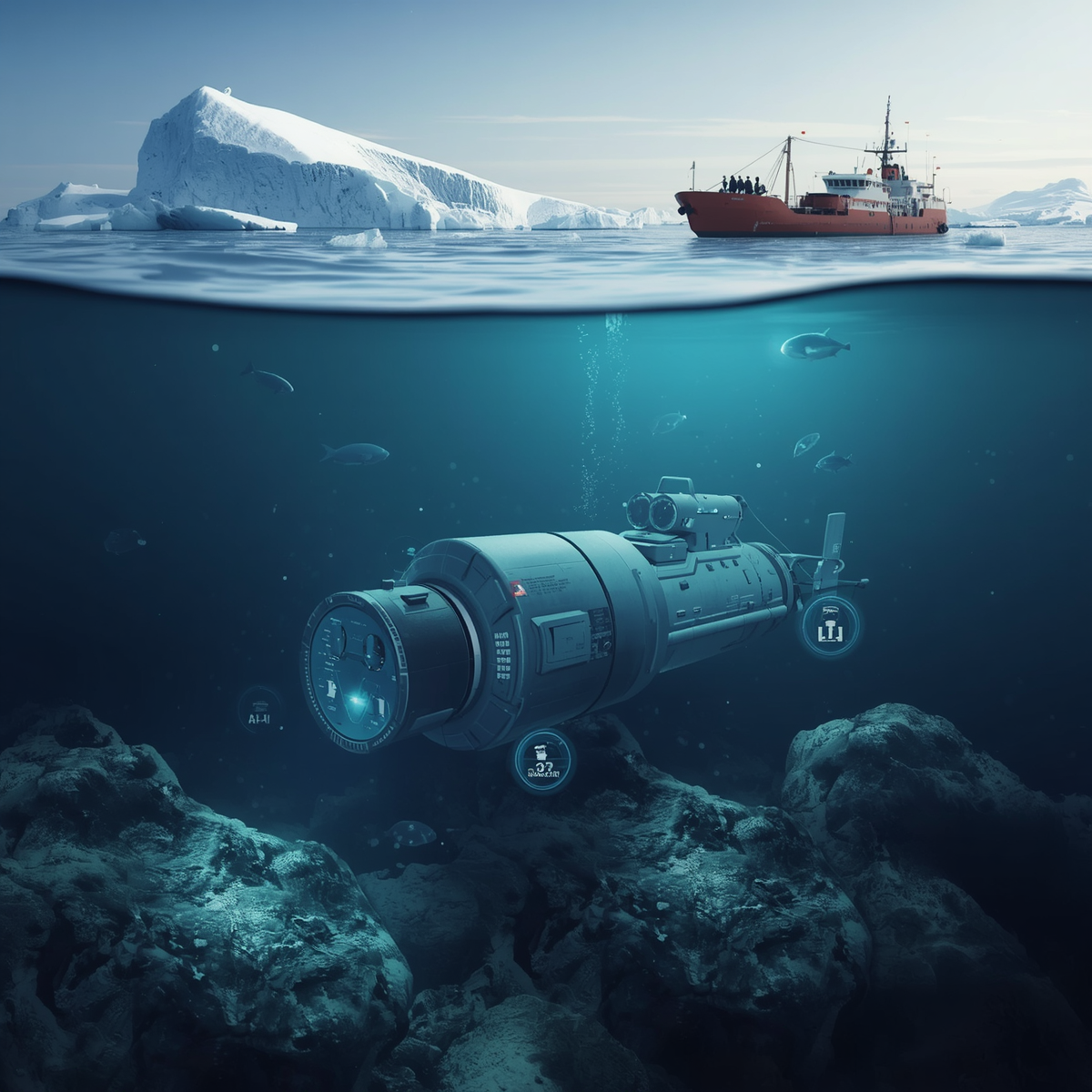
Out there beneath the Antarctic ice, artificial intelligence helps scientists study hidden ocean zones. Some spots haven’t seen much exploration at all – just too remote. For years, thick ice and brutal weather blocked close-up looks. Now machines step in where people struggle to go.
Deep under Antarctic ice, machines help sort ocean details. These tools spot sea life trends differently than before. Scientists now see hidden corners of water worlds because of them. Ways we explore far depths have shifted slowly. Machines quietly piece together what lives below.
Antarctica’s Deep Sea Importance
Down near Antarctica, the deep ocean ties into Earth’s wider water flows. Because of its reach, it influences weather rhythms, sea life variety, also how carbon gets locked away underground.
Scientists study this region to understand:
- Ocean circulation patterns
- Marine life distribution
- Ice sheet interaction with seawater
- Carbon absorption in deep waters
- Long-term climate behavior
Hidden away, this area holds clues you rarely see in other places.
Artificial Intelligence in Research
Floating beneath the surface, machines sort through oceans of information pulled from deep-sea monitors, subs, along with gear tied to orbiting satellites.
These systems perform tasks such as:
- Sorting sonar and imaging data
- Identifying marine species from video feeds
- Mapping ocean floor structures
- Detecting temperature and salinity changes
- Recognizing movement patterns in deep water
Faster results come when machines handle tough data tasks. Sometimes a system spots patterns people miss. Complexity slows humans down, yet algorithms move past it quickly. Insights appear sooner than before, mainly because processing happens nonstop. Time shrinks around analysis, mostly due to smart software running quietly.
Data Collection in Antarctic Waters
Researchers collect data using multiple tools:
- Autonomous underwater vehicles
- Deep-sea sensors under ice sheets
- Remote-operated submersibles
- Satellite-linked ocean buoys
- Seafloor monitoring stations
These tools operate in conditions where human presence is limited.
Antarctic deep sea exploration challenges
The region presents technical and environmental challenges:
- Ice coverage blocking direct access
- Extreme water pressure at depth
- Low temperature affecting equipment
- Limited communication signals
- Short operational windows for field missions
Bumpy terrain slows progress while raising costs for foot travel.
AI Analyzes Ocean Information
Out at sea, patterns hide inside waves – machines learn them quietly. Learning happens when data flows through digital minds trained on saltwater rhythms.
The process includes:
- Raw data arrives through sensors
- Filtering environmental noise
- Classifying biological signals
- When set beside earlier collections of data
- Producing structured reports for scientists
Focusing shifts to understanding because machines handle the heavy lifting first.
AI Detects Marine Life
Finding sea creatures through sound captured below water stands out as a primary use.
AI systems can:
- Detect movement patterns of fish and plankton
- Identify species based on shape and motion
- Track migration behavior
- Separate biological signals from background noise
Besides aiding researchers, it opens doors to exploring life in places hard to reach physically.
Charting the Seabed
Under Antarctic seas, machines help draw maps of the ocean floor. What lies beneath gets clearer through smart technology spotting shapes in data. Hidden ridges and valleys come into view when algorithms assist human eyes. Tools shaped by artificial intelligence piece together underwater landscapes. From cold depths, patterns emerge where sensors meet learning systems.
Data from sonar systems is processed to:
- Build 3D maps of underwater terrain
- Identify underwater valleys and ridges
- Track sediment movement
- Study geological activity
Water movement gets shaped by seafloor features – these maps reveal that link. How deep or rough the bottom is changes where currents go. Hidden hills and valleys steer flow in ways not obvious at first. Seeing the terrain makes patterns easier to follow. Shape of the ground below influences surface behavior above.
Ice Shelf Meets Ocean
Underneath Antarctica’s ice shelves, seawater moves in complex ways. Because of this, scientists now rely on artificial intelligence to make sense of the data.
Researchers study:
- Ice melting rates
- Water flow under ice shelves
- Heat exchange between ocean and ice
- Structural changes in ice formations
This data is important for climate modeling.
Climate Research Applications
Pieces of Antarctica’s ocean secrets come clear through smart machines. These tools spot patterns hidden beneath miles of dark water. Clues pulled from icy depths feed into bigger climate pictures. Machines chew numbers while scientists watch changes unfold slowly. Cold truths emerge where robots dive beyond human reach.
Key areas include:
- Ocean temperature trends
- Salt concentration changes
- Carbon storage in deep water
- Long-term ocean current shifts
Weather patterns around the world link to these elements. One affects another across distant regions. Shifts here ripple through faraway climates. Changes tie into broader environmental rhythms. Forces interact beyond local conditions.
Autonomous Machines Operating in Extreme Conditions
Autonomous underwater vehicles operate in Antarctic waters without direct human control.
For handling tasks like these
- Collect continuous data under ice
- Navigate complex underwater terrain
- Data moves toward surface stations automatically
- Last quite a while before needing pickup again
These systems shift with changing conditions because of AI.
Limits of Today’s AI
AI still struggles with Antarctic research challenges despite advances
- Only a small number of tagged examples are available when teaching the system
- Difficulty in interpreting unknown species
- Signal interference from ice and water conditions
- Dependence on high-quality sensor input
Even now, people who study science must check the findings themselves.
AI and scientists working together
Some scientists lean on AI to help them think through problems. Instead of swapping out human minds, it works beside them quietly. Machines offer hints while people still lead the work. Not meant to take charge, just add quiet strength. Researchers stay in control, using smart tools like careful assistants.
Scientists:
- Design research questions
- Validate AI findings
- Interpret ecological meaning
- Adjust models based on new data
Working together makes results more precise. Research gains clarity when teams combine efforts.
Deep Sea Ecosystems Matter
Beneath the ice, life thrives where sunlight never reaches. Cold shapes every movement, every breath of creatures down below. Darkness rules, yet beings still grow in slow rhythms. Life persists through ages of frost and silence.
These ecosystems help researchers understand:
- Survival in extreme conditions
- Evolution of marine species
- Food chain structures in deep water
- Biological adaptation mechanisms
Beyond just sorting data, machines spot hidden links inside such setups.
Ocean Current Studies
Floating sensors feed live patterns into smart programs that map how water moves across seas.
This includes:
- Direction and speed of currents
- Interaction with underwater terrain
- Seasonal changes in flow
- Impact on global circulation systems
Waves moving across saltwater help balance Earth’s weather patterns.
Satellite Meets AI
Measurements taken below the surface mix with signals from space. Satellite feeds link to ocean readings through layered processing steps.
This integration allows:
- Surface and deep ocean comparison
- Ice movement tracking
- Temperature mapping across regions
- Long-term environmental monitoring
Together, both sets of data get handled by artificial intelligence setups.
Scientific Research Infrastructure
Frozen labs thrive because nations share tools. Teams across continents link up just to keep studies alive.
Infrastructure includes:
- Research stations on ice
- Shared data networks
- International funding programs
- Collaborative research missions
These systems use AI tools inside them so tasks can be examined closely.
Environmental Monitoring
Sensors spot shifts in nature right away because of artificial intelligence.
Monitoring includes:
- Ice sheet stability
- Ocean temperature shifts
- Marine species movement
- Chemical changes in water
Over time, it helps keep tabs on how nature changes.
Data Sharing Across Institutions
Out of cold field notes comes a flow of findings passed from one team to another. Some labs trade results while others build on what’s already been dug up from ice cores. Through frosty reports travels new understanding – each group adding pieces without shouting about breakthroughs.
This allows:
- Cross-validation of findings
- Combined modeling efforts
- Broader scientific access
- Improved global climate models
Finding patterns in group data gets easier when smart software helps sort it out. Sometimes a program will spot links people miss during reviews of collective information.
AI evolving in ocean science
AI in future Antarctic research
- Improved autonomous exploration systems
- Better species identification models
- Real-time climate simulation tools
- Expanded underwater mapping systems
Built on fresh data, progress moves forward when updates follow through. Still, without steady input, adjustments stall just before catching up.
Ethical and Environmental Concerns
AI use in deep sea exploration raises questions about environmental impact.
Considerations include:
- Disturbance of marine habitats
- Data use in environmental policy
- Responsible deployment of autonomous systems
- Long-term impact of research activity
Scientists still talk about these things today. Some details stay unclear, though. Opinions shift now and then. Each study adds a little more. Nothing feels settled just yet.
Conclusion
Out in the icy dark, machines sort through oceans of numbers faster than any team ever could. Not instead of people – but beside them – smart software spots patterns hidden in seafloor sounds and currents. Some days, it’s code tracing life where light never reaches. Other times, algorithms help map shifts no eye would catch alone. People still steer the mission; that won’t change. Yet what once took months now shrinks to hours, quietly reshaping how we see the deep.
Out beyond the labs, machines now dive where people rarely go. Instead of guessing, researchers watch real patterns unfold beneath waves. Because algorithms learn fast, old mysteries shift into clearer view. Where water moves, so does data – spreading clues about life below. Through silent sensors, hidden layers come alive. Even distant currents tell new stories. With each cycle, knowledge builds without fanfare.