
Introduction
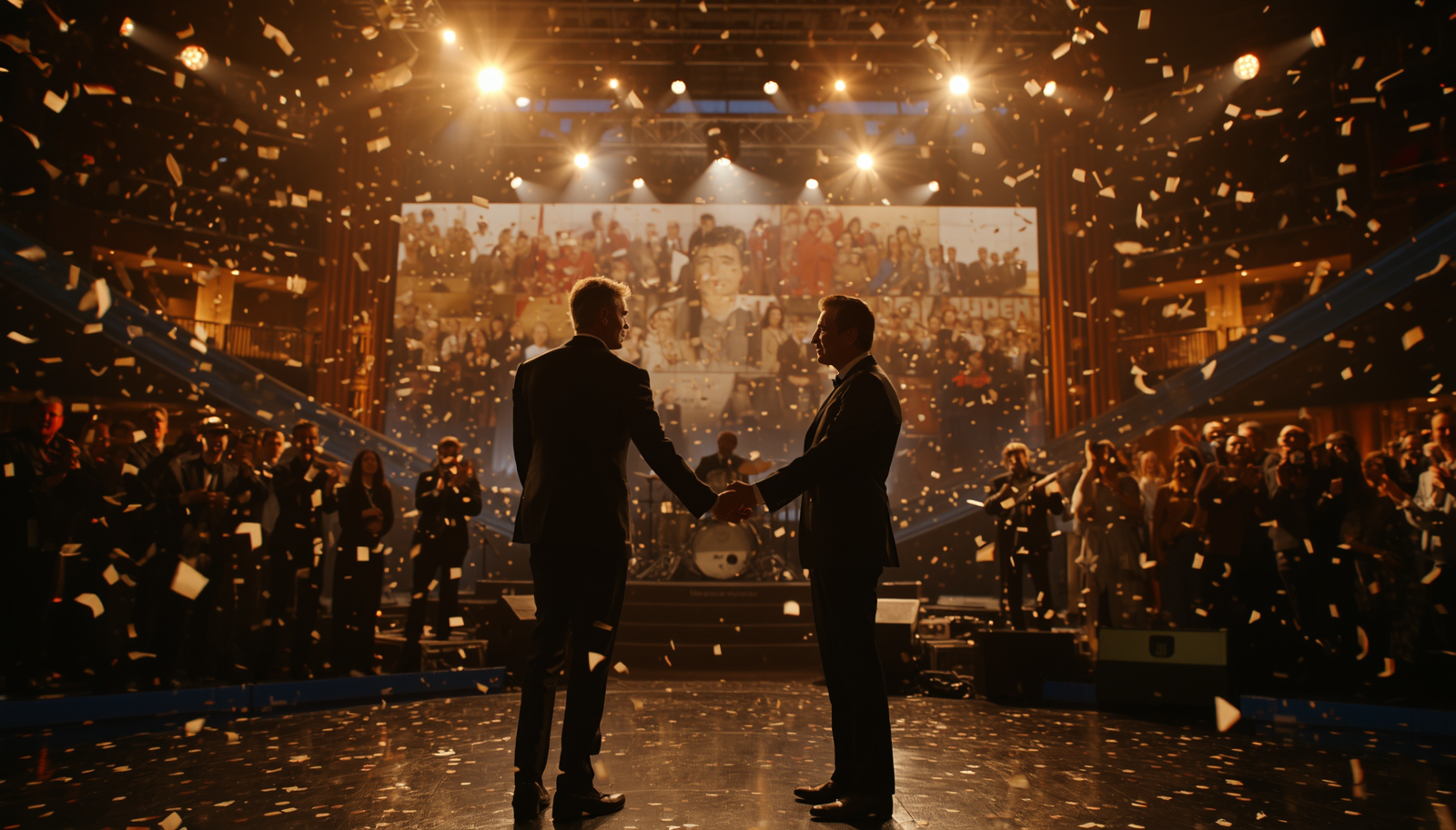
Out of nowhere, Paul McCartney showed up on Stephen Colbert’s last show. That night, tunes crossed paths with TV in a way few had seen before. A lifetime behind the microphone met decades of nightly talk shows shaping how people chat about culture. Not often do legends step into living rooms just as one era ends.
This piece dives into how the goodbye came about, what Paul McCartney brought to that moment, how the part unfolded on screen, how people watching responded, what reporters said afterward, then shifts to changes it sparked across late-night TV.
farewell episode background
After years on air, Stephen Colbert said he’s stepping away from his nighttime show. His choice brings down the curtain on a mix of comedy rants, guest talks, songs, and sharp takes on politics.
Over time, late-night TV across America shifted shape. From straightforward chat setups emerged mixes blending comedy bits, breaking headlines, then music acts dropping in live. On one such stage, Stephen Colbert found footing – digging into politics now and again while unpacking quirks of modern life. What began quietly ended up loud, layered, familiar yet always changing.
Out of all the moments they could have chosen, the last show leaned into memories. Picking people wasn’t about fame – voices from TV, reporting, sound filled the room instead.
Paul McCartney’s part in the episode
Out front, Paul McCartney showed up right when the show said goodbye. Not just any guest – he shaped decades of sound through his years with The Beatles and beyond. His presence carried weight without needing loud moments. Music shifted around him, even in silence. Few figures link eras like he does. Time folds differently near someone who lived so much of it publicly.
That night, McCartney stepped into a studio where questions met songs on camera. Not just a chat – something looser unfolded when he played through pieces between replies. A link formed quietly, one era brushing up against another without force. Rock from the UK, steady on its feet since the sixties, touched down again through his voice and hands. Late-night US TV, always ticking forward, held still enough to let it land.
Out of nowhere, McCartney began explaining old tour days while Colbert listened closely. Television once carried songs worldwide, though now screens on phones do much more. A shift came when live shows moved from airwaves straight into apps people tap each day. Stories about records and radio played out between sips of coffee and quiet laughs. What used to roll across TV sets now loads in seconds, shaped by clicks instead of channels. Moments passed where both just stared, recalling how spotlights felt different back then.
How the Section Is Built
The segment followed a structured format:
- Introduction of guest
- Short interview discussion
- Musical performance segment
- Closing interaction with host
After McCartney took the stage, his part stuck to that outline but leaned into real-time playing. With the spotlight on how it felt to perform then and there, the moment shaped the show’s final mood. His presence didn’t just wrap things up – it shifted the air.
Laughter rippled through the crowd, their claps stitching moments together. Lighting shifted just after a cue, moving like breath with the music because timing mattered behind the scenes.
Music and late night TV through time
Music acts popping up on late-night TV? That started way back when the medium was new. Hosts have kept it going, one era passing it to the next.
On TV shows, performers like Paul McCartney show up to connect with more people. Such moments do double duty – drawing attention while sharing music
- Promotion of new music or tours
- What sticks around often shapes how people see things later on
Now here, McCartney showed up not to push anything but simply to take part in a goodbye moment. Because of that, this piece stood apart from usual music publicity efforts.
Stephen Colbert hosts a late-night talk show
Out of habit, Stephen Colbert’s program settled into a rhythm few saw coming. Monologues kicked things off – then came conversations with guests, woven together with sharp takes on politics. Music showed up too, slipping in now and then, mirroring what people were thinking about lately. Shape shifted slowly, but stayed steady at its core.
Out of nowhere, the last show wrapped up what had been built over time. Instead of just moving forward, Colbert looked back through conversations, pulling up old bits – guests who’d stopped by, jokes that kept coming around. That’s where it ended.
Out of nowhere, McCartney showed up, tying old times to the show’s last moments. His presence wove memory into closure without saying a word.
Audience Reaction
Clapping didn’t stop once throughout the live show. While the guest spoke, people stayed tuned in. During the music part, energy stayed high. Moments of quiet were rare. The crowd reacted strongly to every segment. Even small gestures got cheers. Attention never drifted away.
That night, people tuned in, then shared thoughts on TV review shows while chatting online too. What stood out? Folks kept circling back to the moment when everything shifted unexpectedly near the end. Some pointed at how one character stayed quiet during key scenes instead of speaking up like before. Others mentioned the lighting – dimmer than past episodes – which made certain rooms feel colder somehow. A few noticed background details others missed entirely, like a photo frame turned face down on a shelf. Reactions split over whether that small gesture carried meaning or just went unnoticed by accident
- The selection of Paul McCartney as a guest
- The format of the final episode
- The role of live music in closing a television program
Some fans of Colbert’s program and McCartney’s songs saw the episode as a meeting point for two enduring paths in the spotlight. People tuned into both worlds noticed how time had shaped each figure before their overlap on screen. A shared moment emerged, not planned but natural, through years of separate work now briefly linked. Those familiar with late-night humor and classic rock alike recognized it as something unfolding quietly across decades. The air shifted slightly when comedy met melody without fanfare.
Media Coverage
Fans crowded around screens late that night, drawn by the show’s final bow. What stood out most? A mix of behind-the-scenes glimpses, cast reflections, plus waves of nostalgia rolling through interviews. Moments lingered longer than expected – faces paused mid-laugh, voices catching on old memories. Not just an ending, really, but something slower, softer, like a room emptying after a long party
- The ending of Stephen Colbert’s late-night program
- The appearance of Paul McCartney
- The structure of the final broadcast
Out of all places, TV shows began mirroring shifts seen long before in music timelines. Still, night after night, those broadcasts keep hosting artists despite where else people now watch things.
Cultural Importance of Appearance
Out of nowhere, Paul McCartney shows up in the last episode. This moment links two different ways culture gets made. One comes from music, the other from television. Not often do these worlds touch. His presence acts like a bridge. Something quiet happens when they meet. It is not loud or flashy. Just a subtle joining. Two paths cross without making noise. The scene holds more than it says
- Recorded and live music performance
- Broadcast television programming
Years of music unfold through McCartney’s work. Tied into the last episode, he becomes a quiet bridge from old radio days to today’s screen culture.
A single episode can shift between laughter and headlines without warning. When both personalities appear, the lines blur – not by design, but because timing makes it feel natural. Moments like these don’t follow a formula – they simply unfold.
music on tv when shows end
Music sometimes closes a TV series’ last episode. Because it adds emotion, the ending feels stronger. When songs play here, they help wrap up stories. So viewers remember moments better. Yet music also marks change – seasons shifting into endings
- Leaves viewers with a sense of completion
- Shifts away from usual shows
- Creates a shared viewing moment
McCartney took the stage, shaping how the whole event felt in its closing moments. Live tunes during goodbyes? That’s something TV has done before, more times than one might guess.
Paul McCartney on TV Through the Years
Now here comes Paul McCartney stepping into living rooms through countless TV shows across the years. One moment he is playing guitar on a late-night couch, then suddenly harmonizing during a charity broadcast. Sometimes sitting for quiet interviews, other times bursting into song at surprise moments. From bright morning talk stages to dimly lit musical specials, his presence just appears. Not always planned, yet often remembered. Moments strung together by music, not schedules
- Music performance shows
- Interview-based programs
- Special live events
That moment on Stephen Colbert’s last show lines up with his usual moves. Still, because it was an ending, the whole thing felt unlike the typical promo stop.
Stephen Colbert Hosts Late Night Show
From the start, Stephen Colbert mixed politics with humor on his late-night show. Monologues came first each night, carefully built around current events. Recurring bits followed, often exaggerating real issues for effect. Interviews filled later minutes, letting guests respond to sharp but playful questions. Structure shaped everything, even when jokes landed softly.
Later on, it turned into a space where people talked about what was happening in society and shifts in culture. That last show wrapped things up by reflecting how far it had come.
That moment with McCartney helped shape how people remember the last episode. History now sees it differently because he was there. The ending gained weight when he showed up. His presence stuck a note that won’t fade. Few things mark time like his walk into frame did.
Production Details of the Episode
The farewell episode required coordination of multiple production elements:
- Stage design
- Live sound engineering
- Camera direction
- Audience management
A single musician playing onstage meant extra gear had to be brought in. Because of that, cables, amps, and microphones filled the space near the stage. While music played, someone adjusted volume levels behind a board. As songs ended, cues lined up with what aired on screen. Timing had to match exactly or delays would show. Equipment checks happened nonstop until everything held steady.
Change in Late Night TV
Out here, where TV once ruled by night, things feel different now. Shifting habits pull viewers away from scheduled broadcasts toward whatever plays on demand. A host signs off – quiet moment – but behind it, currents change beneath the surface.
Still, music performers stay part of the show’s usual setup. Yet people now watch in pieces online instead of tuning in live.
Out there among shifting screens, Paul McCartney shows up on old-style TV. His presence hints at a bridge between eras. Where streaming dominates, he steps into frame through familiar airwaves. Not chasing trends, yet clearly part of the flow. Even now, big names find space in formats thought fading. Change rolls forward, but some roots hold firm.
Public Memory and Documentation
Out the gate, farewell episodes tend to stick around in TV lore. These moments get recorded using methods that capture their weight. Sometimes it is fan reactions lighting up archives. Other times station logs hold the quiet proof. Memory shifts, yet records freeze the air of that last scene. What stays isn’t always what was said – it’s how it landed
- Broadcast recordings
- News articles
- Audience archives
- Online clips
McCartney showing up here might stick around in how people talk about nighttime TV moments. What happened that night tends to linger whenever folks revisit the era.
Conclusion
When Paul McCartney showed up for Stephen Colbert’s last show, it felt like two worlds clicking together – sound and screen meeting quietly at a finish line. That night mixed chat with songs, plus thoughts about how late-night TV has shifted over years gone by. A piano note lingers after the hand lifts.
Still, TV builds live music into its core – habits shift, yet that piece holds. A veteran artist appearing proves staying power matters when cameras roll on big nights.
A quiet shift happened on screen that night, one caught by cameras but felt deeper than footage shows. Not just an ending, it tangled song stories into TV moments without trying hard. This moment moved things along while humming under its breath. A show closed yet left tracks others would follow much later.