
Introduction
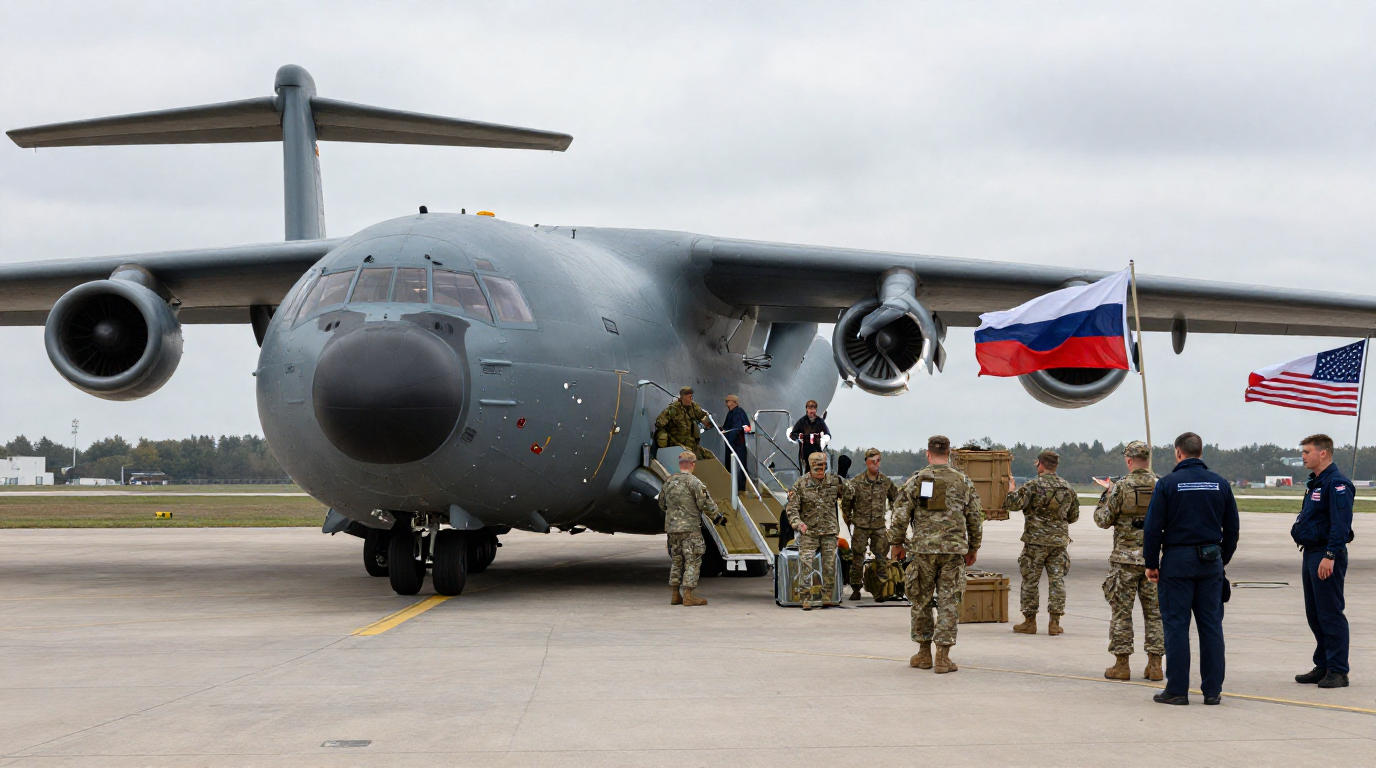
Now more American soldiers are stationed in Poland following plans to send extra forces there. As tensions shape up across Europe, Washington finds itself deep in talks with neighboring nations about shared safety rules. Decisions around troop levels tie directly into promises made through NATO’s framework for guarding member regions. Planning steps now reflect sharper attention to how defenses might hold under pressure.
Ever since regional tensions began rising, Poland’s stance has stood out – firm behind a stronger NATO footprint across Eastern Europe. Washington and Warsaw have kept moving together, step by step, when it comes to defense coordination.
troop deployment details
More American soldiers are moving into place as NATO strengthens its presence along the east. These troops will join those already in Poland, where military shifts happen on a rotating basis.
Out near Poland, U.S. troops are moving into place because leaders say it helps keep skills sharp. Training together runs smoother when units practice ahead of time. With these steps, cooperation between American and Polish forces grows more steady over weeks spent side by side.
Among those deployed are individuals handling supply chains, field coordination, one group focused on preparedness drills. Expected to stay only a short while, though their timeline could stretch if conditions shift. Security reviews will shape what comes next.
Poland’s Role in NATO Planning
Right where Eastern Europe tightens, Poland holds ground in NATO’s shield. Its spot – touching Ukraine, then Belarus, then Kaliningrad, a piece of Russia cut off from the main country – makes it matter more than most. Not by choice, just position. That land bridge between Baltics and Balkans? It runs through here. So when tensions rise near Russia, eyes turn westward – to Warsaw, to bases lit at night. Distance means little on maps like these. A nation once caught between powers now stands where plans are made. Borders define much, especially when neighbors shift.
Nowhere else has seen such deep spending on military readiness, while also backing more allied forces stationed within its borders. Yet this nation continues pushing for stronger collective security through active participation abroad.
Now hosting U.S. troops under new defense pacts, Poland has sealed deals allowing permanent bases alongside rotating forces through ongoing security ties with America.
US-Poland Military Cooperation
Years back, U.S. forces began sharing more drills with Polish troops. Step by step, joint training grew across northern Europe. Close coordination now marks their defense moves. More equipment moved into Polish bases lately. Together, patrols watch borders once quiet. Trust built slowly through repeated field exercises. Shared alerts link command centers today. Decisions align faster than before. Presence strengthened without loud announcements. Quiet steps shaped deeper ties.
Every now and then, American and Polish troops train together to sharpen their teamwork. Not just drills, these sessions zero in on how soldiers move across land, defend from attacks in the sky, or get into position fast when needed. While one moment might involve tanks rolling through fields, the next could be radar teams tracking unseen targets overhead. Speed matters just as much as precision during such moments.
Purchases of American weapons have added depth to Poland’s military cooperation with the United States. Fighter jets arrived first, followed by advanced shields against missiles. These moves quietly reshaped how Warsaw protects its borders. Trust grew alongside shipments across the Atlantic. Gear made in Texas now stands guard near Belarus. Not words but hardware defined this partnership lately.
NATO’s Involvement in Deployment Operations
A fresh wave of soldiers arrives as NATO pushes forward with moves to strengthen shared protection through its Article 5 pledge. Not just numbers swelling – efforts are shifting into higher gear across member states. This buildup ties directly to long-standing alliance commitments meant to deter threats. Security steps like these hinge on mutual responsibility when danger strikes any one nation. Response measures grow sharper while diplomacy stays in motion behind the scenes. More boots appear on the ground because promises were made – and now they’re being tested.
From time to time, troops move through parts of Eastern Europe under NATO command – stationing shifts quietly between nations. This presence slows down risks before they grow. Speed matters when situations unfold suddenly, so readiness stays high without announcement.
Leading NATO, the U.S. supplies a large share of its military power.
Eastern Europe Security Context
Facing steady unrest in Eastern Europe, forces move into position. Though quiet for now, the region holds its breath as military activity picks up near contested zones. Tension hums beneath routine diplomatic talks, while armored units roll forward under gray skies. Each step taken echoes past standoffs, yet officials insist measures are purely defensive. Despite calm on the surface, troop movements suggest caution outweighs confidence.
Besides boosting drills, military strategists are fine-tuning supply routes. Forces show up earlier in key spots now. Readiness grows because logistics get more attention. More presence means sharper response times. Exercises happen more often since plans changed. Forward bases play a bigger role these days. Preparation improves when movement gets smoother.
Backed by Poland, such steps are seen as key to keeping the nation safe while calming tensions nearby.
Reaction From Poland
Now more American soldiers are arriving, something Warsaw sees as proof that promises made long ago still hold weight today.
Pacing alongside allies, Poland pushes for more NATO forces within its borders while lifting what it spends on military matters lately. Instead of waiting, Warsaw acts – funding upgrades, backing readiness, matching effort with cash where needed most.
Security talks by Poland’s top officials often spotlight ties to America as central to defense planning. While Washington isn’t named each time, its role quietly shapes military decisions across Warsaw. A shared stance on regional threats tightens coordination behind closed doors. Still, public remarks avoid detailing commitments, focusing instead on unity through broad terms. This approach keeps dialogue open without binding specifics too early.
Reaction From Russia
For years, Moscow has pointed fingers at NATO moves in Eastern Europe. Near-border drills and soldiers? Called them risky by Russian authorities. Each deployment met with sharp words from officials who see threats forming close by.
Out near Warsaw, fresh NATO deployments could look like mounting tension through Russian eyes. Each new unit arriving might seem less about defense, more about positioning – something Kremlin leaders may see as tightening a belt around their borders. Instead of reassurance, these moves risk feeding suspicion. As troops settle into eastern sites, Moscow may count them not as protection but provocation. With every convoy rolling in, the sense grows that lines are hardening across Europe once again.
Out west, Russia once moved troops into position when tensions rose. Exercises followed, staged close to frontier zones after warnings were issued. Near NATO regions, armored units began maneuvers without delay. In reaction, defense drills unfolded across border areas as a signal. Past moves showed readiness, with battalions shifting forward at short notice.
Deployment Matters
Now more equipment is positioned ahead of time across Eastern Europe. That shift allows forces to move faster when needed.
Out front, shifting soldiers through Poland keeps skills sharp while tying allied units closer together. A steady flow of personnel means teams stay in sync without missing a beat.
Stationed American soldiers show nearby NATO partners that support remains steady. Their continued stay hints at reliability without needing words. Not just defense, but reassurance takes shape through their daily routines. In quiet ways, consistency speaks louder than declarations ever could.
US Domestic Considerations
Overseas troop placements tend to come up when talking about America’s global strategy alongside budget choices for national security.
Overseas troop missions get their limits tested when Congress steps in to review how long they last and where they operate.
Putting forces closer to potential hotspots, backers say, can prevent small tensions from growing while building trust among partner nations.
Training and operations underway in Poland
Among the fields of eastern Europe, American soldiers train alongside local units. While cold winds cut across the flat terrain, routines unfold through shared drills. Together, movements are practiced – timing refined under open skies. Nights bring coordination meetings where maps spread over makeshift tables. Each day builds familiarity between two armies working step by step.
Out in the open, teams run through mock scenarios to sharpen their responses. Switching gears, they practice relaying messages under pressure. At another level, different units link up so defenses work together smoothly.
Working together becomes easier when troops practice under shared conditions. That readiness means answers come fast if trouble hits.
Effects on NATO Cohesion
This move puts weight behind NATO’s stance: safety is a group effort. One nation’s shield becomes everyone’s duty through joined commitment.
Backed by nations like Poland and Romania, more American troops in the region aim to discourage aggression. Their stance grew stronger after Russia’s actions near Ukraine heightened tensions. Some see it as necessary; others watch closely what comes next.
Some nations in Western Europe join forces when organizing military actions, yet their choices on budgets and troop numbers differ widely.
Long-Term Military Strategy
Rotating troops through Europe shapes how forces show up in Poland. This movement fits within larger U.S. defense patterns on the continent.
Flexibility in how forces are spread comes through this method, yet preparedness stays strong where it matters most.
When world politics shift, defense teams adjust soldier numbers – often tied to promises made with allied nations. Sometimes changes come fast; other times they wait until agreements show new needs. What happens overseas often shapes how many troops stay ready at home.
Public and Political Reactions
Some people cheer when troops move into Europe. Others frown, their views shaped by who they vote for. Opinions split along party lines without warning. Where you stand depends on where you sit politically. Reactions shift like weather in springtime.
Some highlight how strong the partnership feels, yet others wonder about staying stationed far from home years ahead. While trust between allies seems solid to a few, doubt creeps in for those weighing endless deployments abroad.
Polls show most people in Poland favor working alongside America when it comes to military security. While views can differ slightly, trust in joint efforts remains strong across cities and towns. Some remain cautious, yet shared goals tend to outweigh doubts. Over time, this alignment has shaped how decisions are made behind closed doors. Even so, everyday conversations often reflect quiet approval of the partnership.
Conclusion
Poland gets more American soldiers because trust runs deep among NATO friends nearby. When one stands, others adjust without needing to explain why.
Out front, the move lines up with goals centered on discouraging conflict while staying prepared. Behind it all sits a firm promise to stand by partners when needed.
With regional strains shaping defense moves, NATO’s presence in Poland sits at the heart of talks about Europe’s safety and troop cooperation.