
Introduction
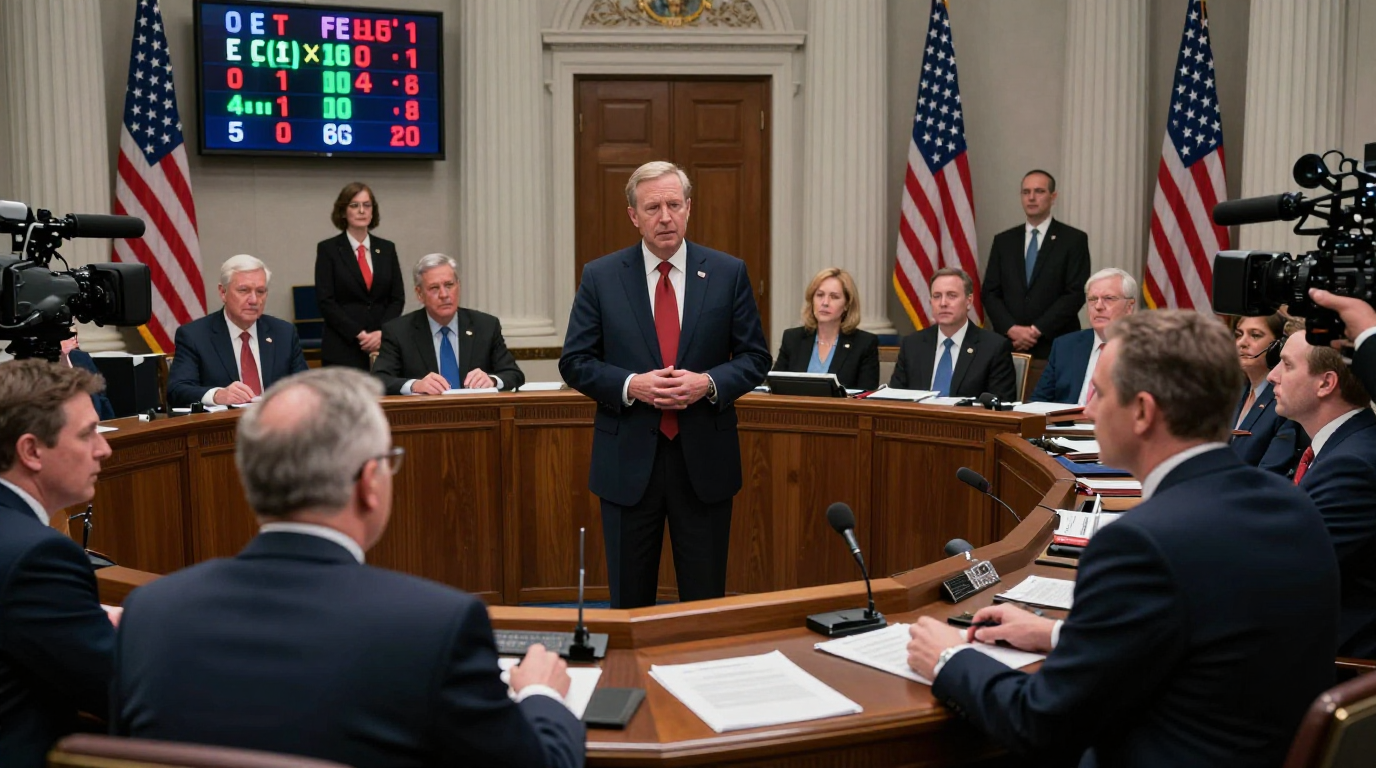
A move to advance funding for U.S. Immigration and Customs Enforcement hit a wall when Republicans stepped in to halt it during a House vote. Though the debate has been simmering for weeks, this moment sharpened tensions around how border security dollars are spent. With lawmakers still clashing over broader budget goals, the road forward grows more tangled by the day.
Still stuck, the vote shows party lines remain sharp on funding and running immigration enforcement. Though little agreement exists, control of these agencies splits lawmakers sharply apart. Funding questions linger while management plans go unchanged. Sharp disagreements stay present when it comes to how such operations are shaped. Division holds firm behind closed doors where votes get halted without progress.
ICE funding vote focus
A new law aimed at changing how much money goes to ICE tasks, such as holding people, handling removals, also backing border control efforts. Funding shifts were part of the plan, with attention on operational needs across these areas too. Decisions about budget increases tied directly into how those services run day to day, plus oversight measures followed alongside.
Inside the U.S., immigration enforcement falls to ICE, which works beneath Homeland Security’s umbrella. Budget choices tied to its operations usually appear within larger government spending plans.
A stalemate on the ballot kept the measure from reaching a broader chamber ruling.
Republicans Stopped the Vote
Some Republicans took issue with how the spending plan was built – or when it came up. Through behind-the-scenes steps, they blocked its path toward a full decision round.
Not every Republican saw eye to eye, yet a few believed money for immigration ought to move only if matched by changes in how borders are secured overall instead of standing alone in spending plans.
Folks brought up questions on where the money might go – some said enforcement, others mentioned holding centers, while a few focused on paperwork tasks. Money paths weren’t clear to them.
Immigration Debate in Congress
Out there in Capitol Hill, lawmakers keep circling back to immigration – this vote just another moment in that long stretch of arguing. People disagreeing shapes how rules take form over time. A single decision today ties into years of shifting views on who gets to stay, who must leave. Conversation drags forward without clear ending in sight.
Some officials agree on tough rules at crossings. Others push back hard on how quickly people fleeing danger are reviewed. Deportation plans still spark sharp disagreements among them.
Some Republicans favor more money for groups such as ICE and Border Patrol. Yet a number of Democrats push changes that widen access to legal status alongside safeguards for vulnerable migrants.
How ICE operates within U.S. immigration enforcement
Folks caught living here without papers might face ICE agents showing up at their door. Inside the U.S., that’s where enforcement lands – officers move on cases tied to unlawful presence. Holding centers fall under their oversight too, run by the same agency watching streets and homes alike.
Working alongside federal teams, the agency joins local officials in probing immigration matters. While handling cases, coordination happens across different government levels. Investigations often link efforts between national and city departments. Through shared tasks, information flows to support each inquiry. With oversight stretching beyond one office, multiple groups take part when needed.
How much money ICE gets shapes how many agents they can hire. Staff numbers shift when budgets change. Detention centers grow or shrink based on available funds. Operations slow down if resources drop. What happens in the field ties back to budget decisions made elsewhere.
Politics of the Block
Frequently, lawmakers slow down bills using step-by-step hurdles inside Congress. Rules tucked into process become levers – changing outcomes without changing votes. A move here, a pause there – the shape of law shifts behind closed doors. Momentum stalls not by refusal, but by design woven into procedure itself.
Blocking the vote could give Republicans room to push for changes in how the money is spent, while weaving in demands from their broader agenda. Might be less about stopping funds and more about shifting leverage toward other goals they’ve been waiting to advance.
Most times you see this method show up when money talks and borders come into play. Budget fights often turn that way.
Effects on federal budget talks
A stalemate on the ballot brings fresh hurdles into the middle of Washington’s spending talks. While lawmakers juggle priorities, this delay shifts how timelines might unfold. Instead of moving forward, debates now circle back with added weight. With no quick fix in sight, each step ahead feels heavier than before.
Most times funding for immigration rides along with bigger budget packages, so pushing through separate laws needs both parties to agree. What happens is that Congress bundles these issues together – single proposals stall unless compromise shapes them instead.
When funding choices take too long, it throws off how agencies prepare their enforcement actions. Planning gets shaky when money questions linger too much. How teams use their people and tools shifts if approvals drag on.
Reaction From Lawmakers
Those who back more money for ICE say it needs proper tools to handle border duties well. Without enough staff or equipment, doing its job becomes harder. Some believe stronger backing leads to better results on the ground. Others point out that without support, operations slow down. Having what’s needed helps keep things moving smoothly. What works often depends on how much is available.
Some people who oppose more money worry about how detainees are treated, how rules are enforced, yet also question where immigration policy is headed. Conditions in holding facilities trouble them, along with tactics used by authorities, though their deeper unease lies in the path things seem to be taking.
Still no agreement among groups shows why the vote stayed blocked. When positions don’t match, movement stops.
Broad immigration policy context
Still today, few topics stir more argument in American government than who gets to come here.
Bickering in Congress keeps flaring up – money for border barriers, who gets asylum, what rules agents follow. Each round brings fresh arguments nobody settles.
ICE funding debates often become central to broader negotiations on immigration reform.
Effects on enforcement activities
When money arrives late or shifts, it shapes how ICE runs – fewer people on staff, less room behind bars. Budget hiccups ripple through daily work, altering who gets hired, where cells stay empty. Cash flow twists the knobs of enforcement quietly, without warning signs. What shows up in cell blocks ties back to ledger lines drawn weeks earlier. Funding stumbles leave marks on desks, beds, schedules – all across the system.
Most of the time, budget plans at agencies follow money set by Congress. When funding is unclear, future enforcement steps might shift without warning.
Conclusion
Blocking the ICE funding vote, Republicans show how deep divides remain on who gets enforced and where money should go. Though meant to clarify policy, the move instead underlines friction between border actions and budget choices.
With talks underway on Capitol Hill, money for ICE likely stays at the center of larger conversations about borders and safety. While lawmakers weigh options, how much support goes to enforcement ties closely to shifting views on who can stay and under what rules. Though details remain uncertain, one thing seems clear – control over these funds will shape how agencies act across states. Even so, decisions won’t happen fast, caught between competing priorities and public pressure. Behind closed doors, compromise may hinge less on numbers than on political trade-offs few see coming.