
Introduction
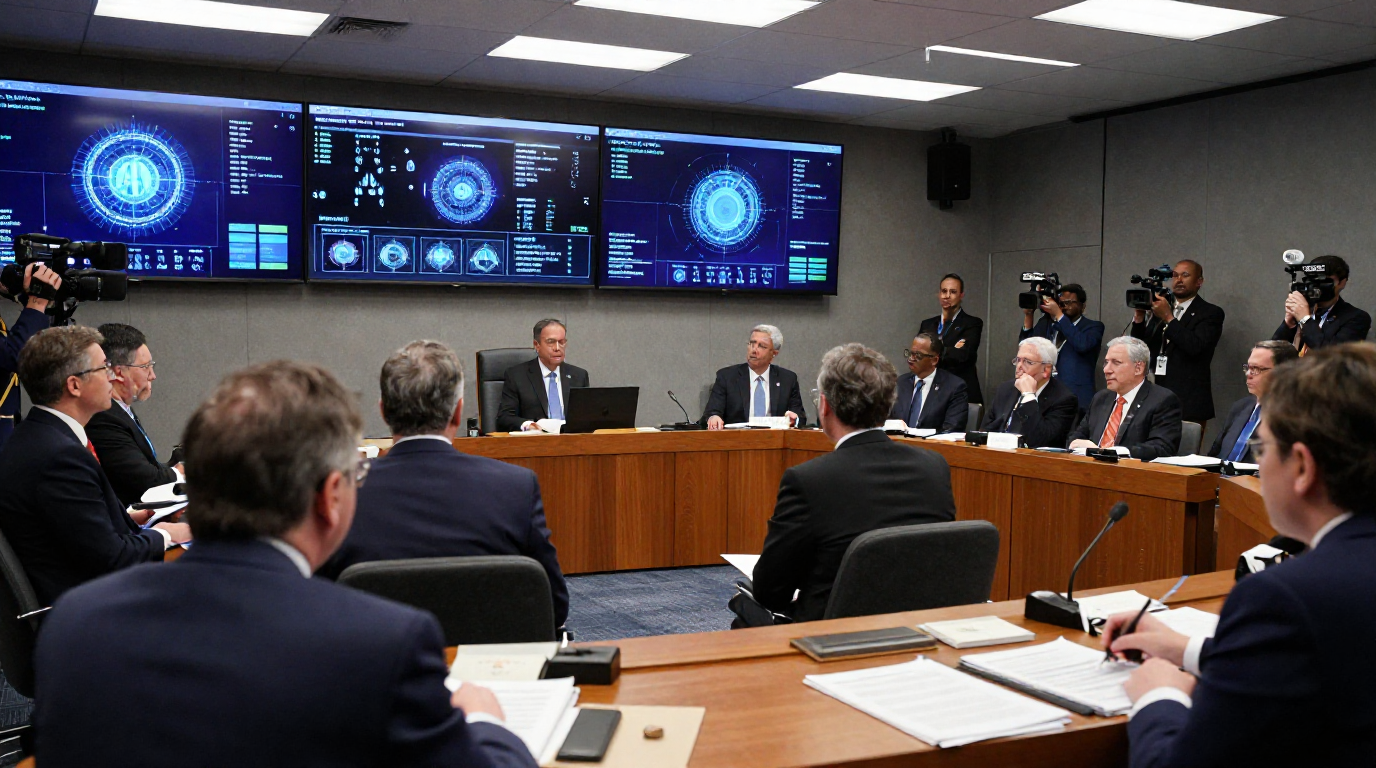
These days, artificial intelligence shows up more and more in news outlets, companies, and government reports. Though built by xAI, Grok AI finds itself under a microscope in D.C., where questions swirl around how well it grasps facts, nuance, and political meaning.
Word is spreading through meetings and behind closed doors that Grok AI falls short when it comes to handling delicate political talk. Where balance matters most, its outputs often miss the mark. Some insiders point out flaws in how it treats contested facts. Instead of staying neutral, responses sometimes tilt without warning. In settings demanding care, this creates awkward moments. Even those who supported early testing now hesitate before relying on it. Behind the scenes, trust remains shaky at best.
Now people wonder where AI fits when governments talk or study things. Could change how info flows between leaders and public.
Grok AI built to process information and respond with contextual understanding
Out of curiosity, some folks made Grok AI to chat and think through problems. Instead of just listing facts, it digs into questions, pulling answers out of messy details. When someone needs a point clarified, it pieces things together step by step. It handles summaries too – boiling down long texts without losing what matters. Behind each reply lies patterned learning from broad inputs. Even complex logic gets broken into smaller bits so responses stay grounded.
Working inside tools that many people already use, it answers everyday questions along with what’s happening right now. Built to handle wide-ranging subjects, its responses shift smoothly between facts and live updates.
Inside, it runs like many smart machines do – shaped by patterns found in mountains of written words pulled from across the web. Learning happens through exposure, not rules, soaking up how people actually write and speak over time.
Washington Watches Closely
Folks in D.C. shaping policy are leaning more on artificial intelligence – not just once in a while, but regularly – to sort through data, pull key points from documents, then speed up how fast they grasp complex topics.
Government work might see AI handling messages, shaping rules, even sorting information. One moment it could draft policies, next help officials talk to citizens. Data tasks may shift toward these systems slowly. Some teams test how well they manage public messaging. Policy creation is another area getting a second look. Behind the scenes, number crunching could change shape too.
Now that more people rely on it, every flaw in AI gets extra attention – particularly if politics is involved.
Problems Reported With Grok AI
Questions coming out of Washington touch different parts of how things run
- Response consistency in political topics
- Interpretation of complex policy questions
- Handling of real-time political events
- Accuracy of summarized information
Now here’s a twist – Grok AI has been known to give answers that need double-checking, especially when used for official decisions or rules. A few people who tried it noticed this quirk popping up now and then. Not every output fits neatly into serious contexts without closer look. Watch closely if relying on it where accuracy really counts.
AI and Political Sensitivity
When politics are involved, sharing details needs caution – how things are said shapes how people see them, also what rules might mean. A single phrase may shift opinions, even change decisions made by leaders.
Built into these tools, AI stays balanced – no twisting facts or spinning policy. Each call it makes leans on fairness, never shifting truth to fit a view. Truth stands clear, guided by design not desire.
If an AI doesn’t live up to what people expect, using it in government tasks might not work out. Government processes could stall when the technology falls short. What seems like a solution today may become a hurdle tomorrow if performance lags behind promises. Missed targets mean fewer chances to apply such systems where officials operate. Gaps between hopes and results tend to block adoption across public services.
Comparing Different AI Systems
When it comes to checking how well AI tools perform in studying policies or news, many rely on nearly the same standards. Yet some methods shift slightly depending on what’s being reviewed. A few approaches weigh accuracy more heavily than others do. Sometimes speed matters just as much as precision does. What counts can change based on who’s doing the looking. Still, most comparisons follow familiar patterns even if details differ behind the scenes.
What stands out is how precisely things are checked. Sources show where info comes from without hiding anything. Staying on track during long talks about politics? That part works well too.
Out there among rivals, Grok AI finds itself in a race where firms build smart software for big organizations. While others push ahead too, each one aims at institutions needing advanced systems.
Ai In Government Processes
Government agencies and political offices use AI in several areas:
- Document summarization
- Legislative analysis
- Communication drafting
- Data interpretation
- Public information monitoring
When it comes to these fields, counting on AI means outcomes could shift based on what the system delivers. Not every result holds firm – some bend when trust rests too heavily on machine responses.
Worries Over Training Data and Context
What really shapes how well AI works comes down to its training methods along with how it makes sense of surrounding information.
What sounds clear to people might confuse machines when politics is involved. Legal terms hide between lines meant for lawmakers, not algorithms. History weighs on every phrase, dragging meanings beyond the present. Nuance slips through digital cracks – too subtle for rigid code. Context bends intent, something rules alone cannot follow.
Wrong clues lead to answers that miss the point entirely. When pieces don’t fit, meaning slips sideways. A small mix-up changes everything. Clarity hides when assumptions step in. What seems clear might twist fast.
Washington Policy Environment
Washington has increased focus on regulating artificial intelligence.
From how open they must be, talks cover what rules apply when things go wrong plus checks on whether AI behaves safely – whether government or business uses it. These points shape how machines act where people live and work.
Questions come up about certifying AI tools prior to their deployment in delicate settings. Not every system gets checked, though scrutiny often follows when risks appear high. Some argue testing must happen early, especially where errors could lead to serious consequences. Trust builds slowly when machines handle personal or critical data. Approval processes might help, provided they adapt as quickly as the technology does.
Public and political responses
Reactions to Grok AI’s performance in political discussions vary.
Not every decision maker sees artificial intelligence ready for government work just yet. One reason stands out – it still needs refining through trial. Progress takes patience, especially when systems learn on their own. For now, testing phases feel more fitting than full deployment. Waiting helps avoid early mistakes in serious settings.
Some say today’s constraints mean it can’t handle policy work unless a person checks it first.
AI Industry Rivalry
Out there among tech firms, race heats up as one after another rolls out giant language systems nearly alike. Competition spikes when new players pop up almost weekly, each chasing the same breakthroughs.
Performance checks happen first, yet reasoning comes under review just as much. Summarization follows close behind during evaluation rounds. Factual precision matters greatly, so it gets examined thoroughly each time.
Performance differences across models can influence adoption in government and enterprise settings.
Problems with Trust and Confirmation
One big problem with using AI? Checking if what it gives you is right.
In political contexts, users often need to cross-check AI-generated responses with official documents or trusted sources.
Still, skipping it risks mistakes even if things slow down a bit.
Public Trust Effects
AI tools used in political environments can influence public perception of government communication.
When results keep changing, confidence in the tech – and those running it – can start to fade.
For this reason, those making policy hesitate to bring AI into government processes. Officials worry because blending artificial intelligence with public systems feels risky right now.
Regulatory Considerations
Facing rising concerns, oversight bodies test new rules on who answers for AI actions.
Openness about where data comes from is expected. Tracking how AI content gets made matters too. Decisions by machines in public services have boundaries.
Facing new rules could shift the way tools such as Grox AI get used down the line.
How Grok AI Might Play a Role in Politics Over Time
Even with today’s worries, development of artificial intelligence pushes forward at high speed.
Right now, folks building the systems aim to boost how well they think through problems. Mistakes pop up less often thanks to tweaks under the hood. Because of these shifts, grasping context gets sharper over time.
One day, newer models of Grok AI could fix today’s flaws while fitting better into how rules are made. While improvements aren’t guaranteed, they might open doors in areas where decisions shape society. Changes may come slowly, yet each step could matter in real-world settings. Not every update will be bold, but shifts might still influence behind-the-scenes work.
Conclusion
Washington’s rocky welcome for Grok AI shows how tough it is when machines meet politics. Not every algorithm fits the backroom handshake. Power moves move differently there. Tech logic often stumbles on human instinct. The capital runs on trust built slow, not data fed fast.
Though artificial intelligence works fast, questions about mistakes and understanding still worry decision makers. Yet getting quick results does not always mean they are right, which troubles those shaping rules.