
Introduction
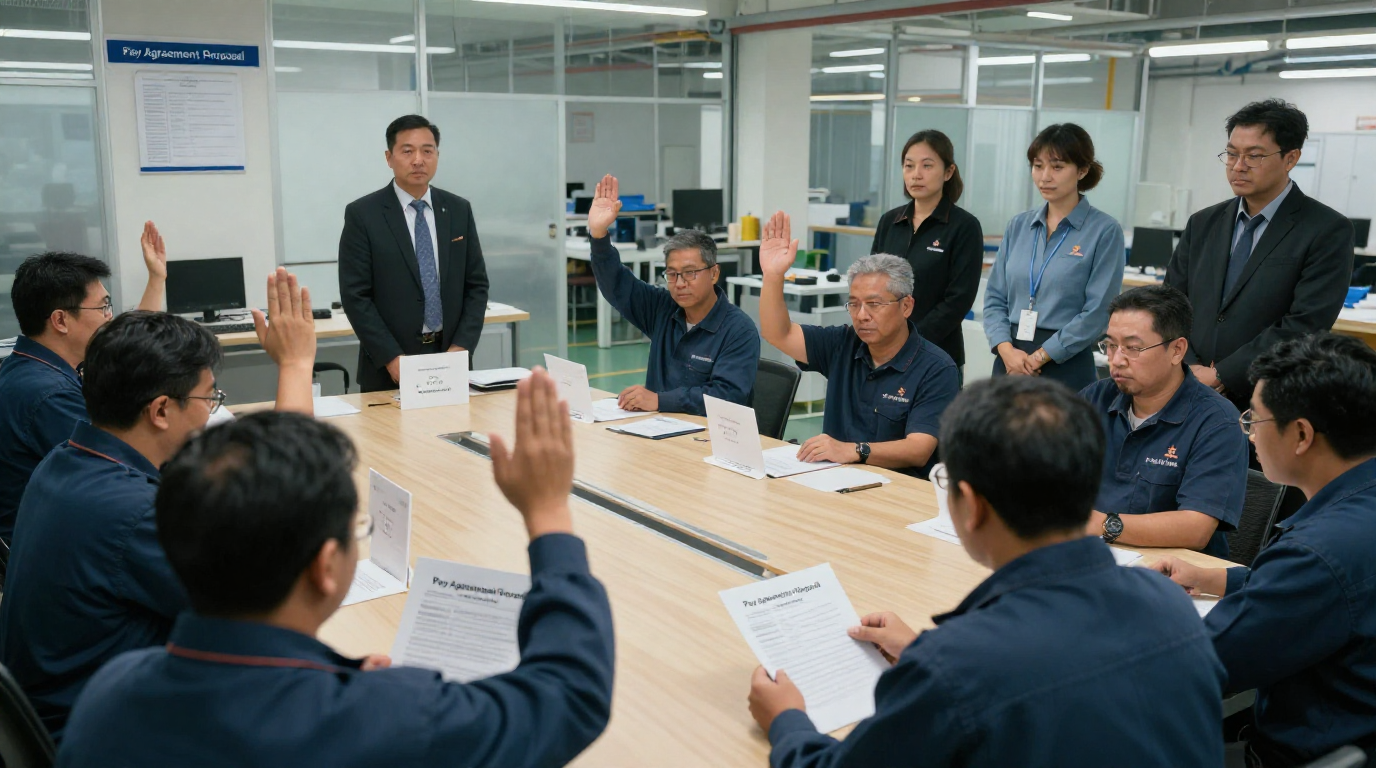
Surprise move by factory staff at Samsung sparks ballot count this week. Instead of waiting, they’re deciding now – through ballots dropped into boxes near cafeteria exits – the deal affecting monthly checks, holiday time, overtime rules. Behind closed doors in Seoul, union voices trade points with executives, line by line. Outcome may ripple through shifts, break rooms, payroll sheets far beyond their campus.
Now things shift following long talks where workers and company leaders weighed pay setups, rewards for results, plus how offices run day to day. What happened in voting could reshape how employees interact with management at Samsung – possibly sending ripples through tech industry work rules across South Korea.
Pay Talks Context
Across its factories, labs, and headquarters, Samsung Electronics keeps a vast workforce on board. Many people find jobs there, spread out in different roles. Facilities stretch far, housing teams who build products or test new ideas. People work in production lines just as much as in quiet rooms filled with prototypes. Every site plays a part, from large industrial zones to city-based administrative hubs.
Now comes a pay agreement shaped by back-and-forth talks between workers’ reps and top managers. Talks zeroed in on changes to standard wages, how bonuses get handed out, yet also looked at earnings plans stretching years ahead.
Now comes word from factory floors where pay hasn’t climbed like tasks have piled up – especially seen in chip plants and gadget assembly lines. Pressure builds when hours stretch but wallets stay thin, people say. Not just one voice, many note the gap between effort and earnings keeps widening there.
Proposed Agreement Structure
The proposed pay deal includes several components:
- Base salary adjustments for eligible employees
- Performance-based bonus structure updates
- Changes to overtime compensation rules
- Revisions to internal grading and promotion systems
- Long-term incentive plans for certain departments
Union members are taking a close look at every part before deciding how to vote.
Samsungs place in global economic systems
Big tech moves through Seoul’s biggest name. Its reach stretches across continents, tying factories and markets together.
Running factories that make computer chips, building phones piece by piece, crafting screens for devices, while also assembling gadgets people use every day.
When workers at Samsung adjust their contracts, shifts ripple through how products are made worldwide. These updates tweak timelines in factories far beyond South Korea. Budgets reshape as new terms settle into place. Markets feel pressure not from pricing alone but workflow changes. Production calendars bend under revised staffing rules. Costs shift slowly, then suddenly appear elsewhere. What happens in one facility echoes in supply chains abroad.
Labor Union Position
Now workers inside Samsung are speaking up more than before. Pay details matter a lot these days, so they push for clear numbers. Conditions where people work? That has become a bigger deal lately. Instead of staying quiet, groups stand together asking for change. What once felt off-limits now lands on the table regularly.
Workers might shape their future pay through this ballot, union reps say. The choice now rests in the hands of those doing the jobs. This moment opens a path toward setting income rules down the line. Not every chance like this comes around often. Deciding together could shift how earnings are handled years ahead. Voices from the shop floor may help steer what happens next.
Workers sticking together matter when deciding job conditions, says the union. Fair pay and rules come from group talks, not one-on-one deals. Strength grows when people speak as one during negotiations. Agreements made together tend to treat everyone more evenly. The union points out that shared voice shapes better work outcomes.
Management Position
Pay plans under discussion at Samsung aim to keep wages fair while helping the business stay strong. What matters most is matching worker value to market demands. A steady approach guides how salaries are shaped. Team rewards tie into overall performance. Balancing needs comes first when setting terms. Keeping pace with rivals plays a role in decisions. Worker income links closely to company direction. Goals align around sustainability and fairness. Choices reflect both people and profit. Adjustments respond to real shifts in industry flow.
Facing fierce worldwide competition, leaders stress staying adaptable in chip and gadget industries. Flexibility becomes key when markets shift fast across borders. Rapid changes push top decision makers to favor nimble strategies over rigid plans. Staying ready to pivot feels necessary amid constant tech evolution. Movement in global supply chains demands alertness, not fixed rules. Adjusting on the fly turns into standard practice for survival.
Performance rewards play a key role in how the business manages people. These incentives tie directly to results, shaping much of the workplace approach.
Voting Process
Some workers taking part in the ballot are going through every piece of the deal carefully, one by one. A choice comes only after that slow look. Not rushing shows how much they weigh each line. Only when sure will a pick be made. Thought fills the space where quick moves might go.
Workers will vote using their usual work communication paths, with results due by the set deadline.
How things turn out could mean the deal moves forward or gets sent back to talk again.
Working Conditions Inside Samsung Factories
Inside vast Samsung factories, people move through their jobs on rotating schedules, splitting time between assembly tasks and support roles. Production never stops, so teams alternate in cycles while engineers monitor systems down the line.
What gets talked about most? How work spreads across teams. Shift times matter too. Reaching output goals shapes much of the talk. Each point pushes the conversation forward.
Work life balance talks shape how companies think about keeping staff over time. Pay agreements tie into these longer discussions in subtle ways.
Semiconductor Industry Context
Fueled by demand worldwide, Samsung’s chip unit ships vast quantities of memory and processing units. While competitors scramble to catch up, this branch keeps pace through relentless output. Powering everything from phones to data centers, its products form invisible backbones inside countless devices. Though rarely seen, their presence echoes in speed, storage, and performance across markets.
Fierce battles unfold across borders as firms pour money into building bigger factories and smarter tools. While one lab tests new methods, another races to scale up – each chasing an edge others might already have.
Facing tough markets, workers’ pay alongside how much they produce shapes who stays ahead.
Economic Conditions in South Korea
Falling ballots arrive just as Seoul tightens its belt.
Fuel prices, rent hikes, job pay – these shape talks about work life in many fields. Workers everywhere weigh these when talking shop.
Firms such as Samsung shape a country’s economy mainly through what they send abroad. Their overseas sales carry real weight at home.
Effects on How Goods Move
Out of South Korea, Samsung’s factory work shapes how parts move worldwide – think gadgets, cars, even home tools. Equipment made there flows into factories far away, shifting what others can build. When assembly lines slow down, ripple effects show up overseas months later.
When labor deals shift, overseas partners might need to adjust how they plan output and manage expenses.
What happens in Samsung’s talks with workers echoes far past South Korean borders.
History of Labor Relations at Samsung
Now things have shifted at Samsung, where workers are speaking up more through unions. Over the years, talks between staff and management became structured, less spontaneous. A quiet change took root – organized discussions replaced old ways of handling concerns. What once felt distant now involves set meetings, clear steps. Growth in collective efforts marks how employee voice gained space there.
Back then, unions played a small role at the firm; lately, talks between workers and management have become more organized. Still, it wasn’t always that way – before, agreements were rare. Now steps are taken to meet regularly. Over time, what felt occasional turned routine. A shift started quietly, yet changed how decisions form.
This moment’s tally moves alongside shifts already reshaping how workers and employers interact.
Worker Priorities
Some folks taking part in the ballot pointed out key things they care about
- Wage stability
- Clear promotion pathways
- Transparent bonus systems
- Predictable working hours
- Job security
What matters most shows up when workers look at the deal on the table. How they see it ties back to these sticking points.
Corporate Strategy Considerations
For Samsung’s leaders, managing wages means finding room for science work. What matters is stretching each dollar so labs stay busy while pay stays fair. A shift here pulls on threads there – tighter budgets might slow discoveries. Progress needs funding, yet people need paying. Decisions today shape what innovations survive tomorrow.
Still pouring money into chips, smart systems get upgrades because of bigger tech bets. New gadgets pop up more often since focus lands on electronic advances. Machines think faster now due to behind-the-scenes work in labs.
How workers and companies agree on terms shapes how smoothly things run later. Decisions made today about pay and hours affect budget choices years down the line.
Global Technology Competition
Out there among big tech names, Samsung finds itself racing to stay ahead. Not just keeping up but pushing through challenges worldwide shapes how it moves. Facing rivals everywhere means every step counts in the long run.
Pricing feels the pressure when rivals step into the market. Choices about what gets made shift as balance of power moves. New factories rise or stall depending on how tightly others compete.
Working deals fit into a larger plan aimed at staying strong when facing world trade challenges.
Government and Regulation Roles
South Korea’s workplace rules shape how workers and employers interact. These legal structures guide everyday decisions on both sides of the job market.
Workers get to negotiate as a group because rules say so. How problems at work are fixed comes down to what the system allows. Safety on the job exists only when laws step in. What happens after a conflict depends on set procedures.
Inside this framework of laws, the voting happens for Samsung Pay.
Possible Results From Voting
One path leads here. The other opens elsewhere
Once given the green light, payments roll out to qualifying teams, while updates to salaries start following the timeline laid down in the pact.
Should talks fail, both sides might keep talking – maybe adjusting demands or stretching out meetings. A breakdown could mean new offers appear later down the line.
Broad Effects on Job Markets
Should Samsung’s vote go a certain way, ripple effects could touch tech firms across South Korea. Manufacturing players might watch closely, shaped by what unfolds. A shift here might nudge decisions there. What happens inside one giant may echo through others nearby.
Big company labor deals tend to shape pay talks elsewhere, setting an example across similar fields by showing what’s possible when workers negotiate together instead of alone.
Conclusion
Workers at Samsung casting ballots on a big salary agreement show how talks continue over pay, job environment, tough choices inside one of Earth’s biggest tech giants.
Workers in several departments face changes because of the ruling – its impact could ripple into contract talks industrywide. A shift like this often stirs reactions far beyond one company.
Once voting ends, thoughts shift toward what comes next for worker ties and daily operations at Samsung Electronics. The deal’s influence begins to show in how tasks are managed and teams interact moving forward. After ballots close, eyes land on shifts in teamwork dynamics and workflow choices across the company.